Background
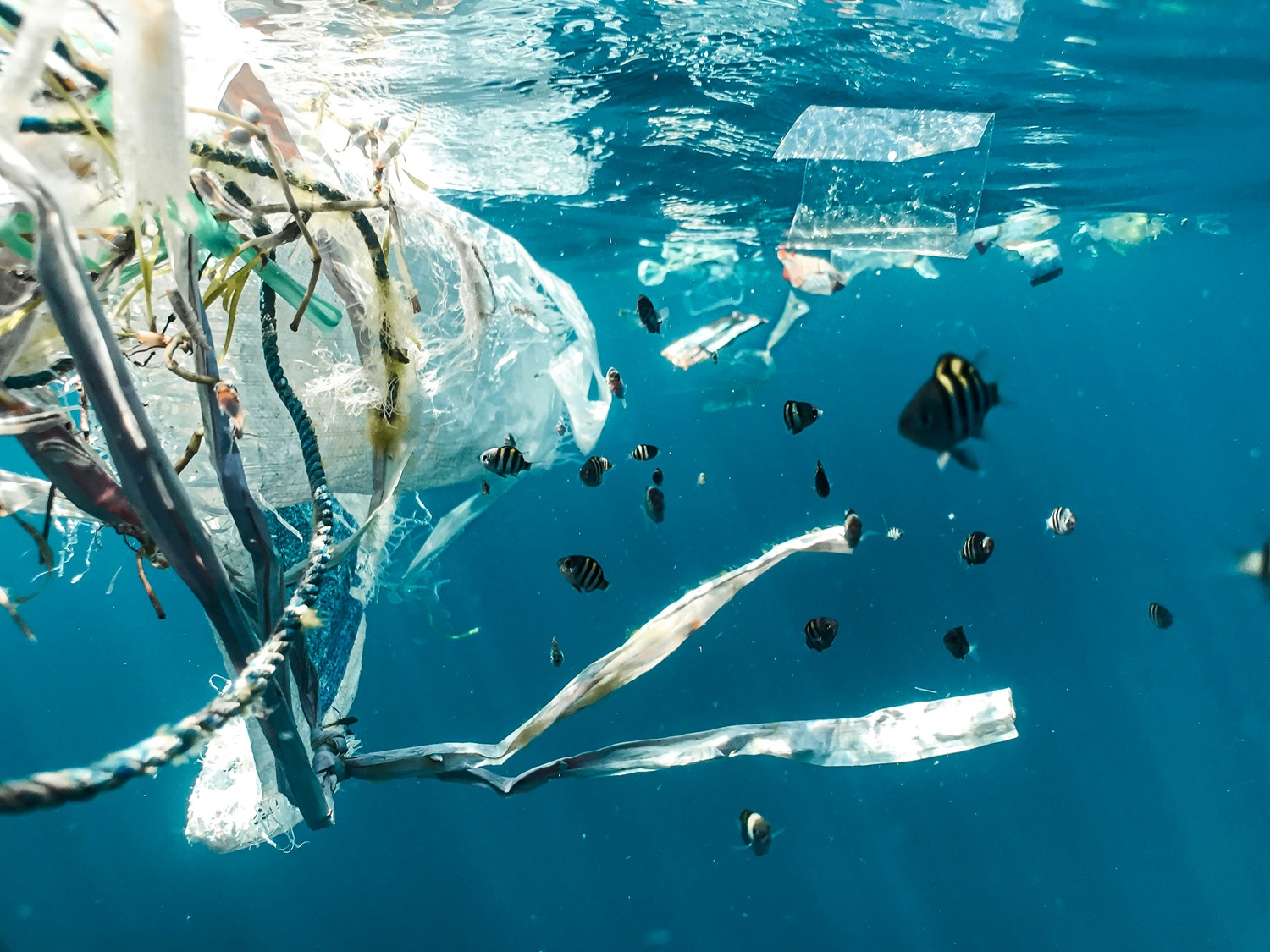
Marine plastic pollution is one of Southeast Asia’s most pressing environmental challenges, driven by rapid urbanization, increasing plastic consumption, and uneven waste management capacities. While numerous training programs and capacity-building initiatives have been implemented, these efforts remain fragmented, with limited accessibility, inconsistent thematic coverage, and insufficient coordination across countries.
The Southeast Asia Regional Programme on Combating Marine Plastics (SEA-MaP) funded by the World Bank and implemented by the ASEAN Secretariat, was established to strengthen regional response to marine plastic pollution. Under SEA-MaP, the Regional Training Programme (RTP) on Plastic Waste Management is being developed, contributing to Action 10, “Coordinate Regional Training Programs on Plastics and Waste Management,” of the ASEAN Regional Action Plan for Combating Marine Debris.
Objectives
The RTP aims to build capacity and harmonize knowledge on plastic waste management and circular economy approaches across ASEAN Member States (AMS), improving access to relevant learning resources, while supporting a common understanding of plastic waste management approaches, implementation challenges, and regional good practices.
The RTP is being developed primarily as a seven-course online learning package, complemented by supporting materials for in-person facilitation to enable adaptation, facilitation, and wider use across stakeholder groups. It will empower policymakers, practitioners, private sector actors, and communities to reduce plastic pollution and transition toward sustainable and circular waste systems.
Project Outputs
The Project will be implemented in three phases:
Phase 1 – Research and Assessment
- Stocktaking of existing training resources across ASEAN and production of a curated catalogue of available training resources
- Training Needs Assessment (TNA) questionnaire to identify gaps and priorities across diverse stakeholders within ASEAN
Phase 2 – Development of Training and ToT Materials
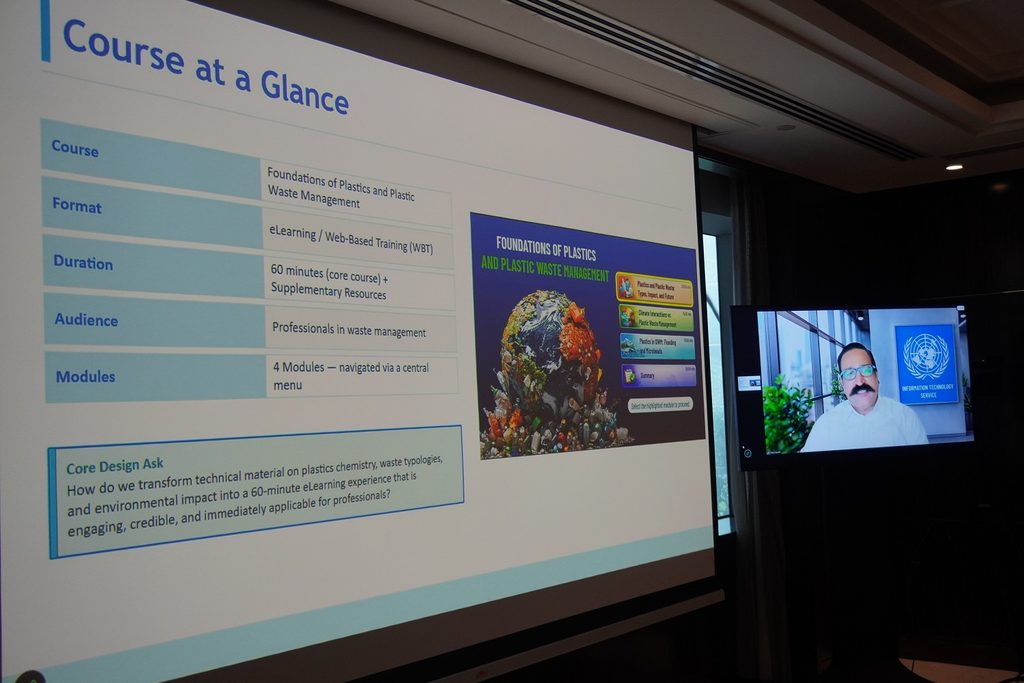
- Creation of 7 interactive Massive Open Online Courses (MOOCs) on plastics and circular economy
- Drafting of a Best Practices Manual for Training of Trainers (ToT) and complementary material for in-person facilitation
- Development of a Waste Pickers Toolkit to support training of informal waste workers, waste-picker organizations and relevant community actors
- Course Recommendation Tool to support users in identifying courses and a learning pathway relevant to their role and learning needs
- Knowledge, Attitudes and Practices (KAP) and feedback tools
Phase 3 – Implementation and Sustainability
- Pilot delivery of selected Courses and Training of Trainers material
- Integration of Regional Training Programme into the ASEAN Regional Platform for Knowledge & Partnerships (KPP)
- Finalization of materials and Sustainability Plan for long-term implementation through ASEAN platforms and systems
Development Partners
UNOPS
AIT
OICT
Yunus Thailand