
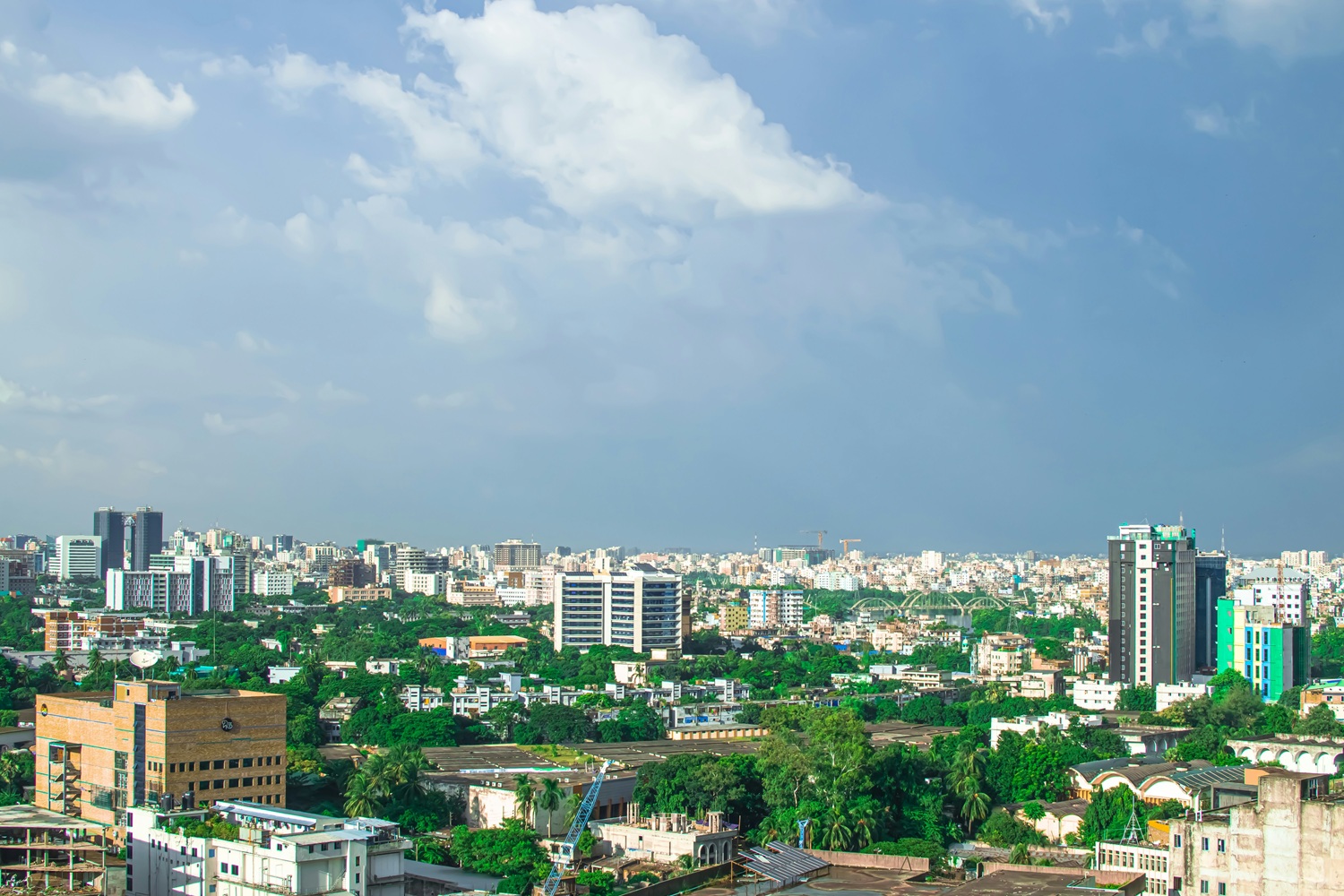
Two-day Urban October event in Bangkok closes the Sinking Cities Community of Practice and sets priorities for regional urban resilience guidance
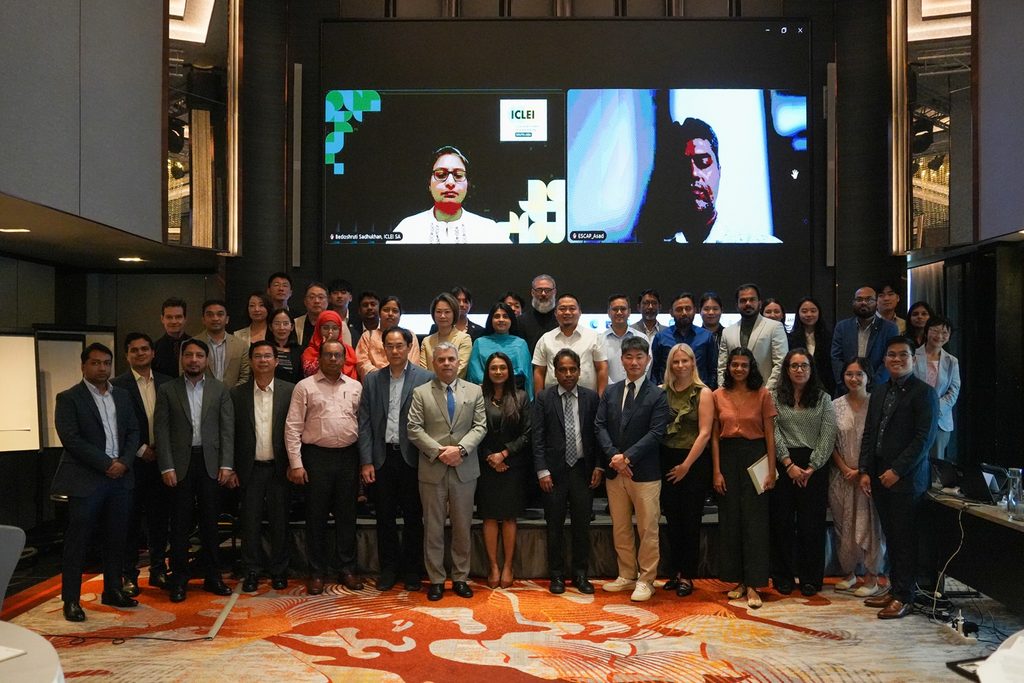
4 November 2026, Bangkok – Policymakers, city leaders, technical experts and development partners from across Asia and the Pacific met in Bangkok on 29–30 October to strengthen how cities assess and respond to compounding urban risks, with a particular focus on land subsidence and extreme urban heat. Organized by the Environment and Development Division of the United Nations Economic and Social Commission for Asia and the Pacific (ESCAP) with the support of UN-Habitat as part of Urban October, the event combined a Multi-Hazard Capacity Building Workshop, an Expert Group Meeting on Urban Resilience and the fourth session of the Sinking Cities Community of Practice.
Asia and the Pacific is the world’s most rapidly urbanizing region, and its cities face floods, cyclones and landslides alongside slow-onset stresses that steadily erode urban systems. Land subsidence, driven largely by excessive groundwater extraction, is lowering ground levels in many coastal and deltaic cities and amplifying flood risk. Urban heat is raising health risks, straining energy and water systems and hitting the most vulnerable hardest. Both remain poorly integrated into urban planning and investment, and progress on Sustainable Development Goal 11 remains significantly off-track.
The first day put practical decision-support tools in participants’ hands. ESCAP experts presented regional trends in land subsidence, and Dr. Yupeng Liu of the Chinese Academy of Sciences introduced the Driver-Exposure-Assessment-Response (DEAR) framework, developed for use across Asia and the Pacific. The afternoon turned to urban heat. Iloilo City Mayor Raisa Treñas shared her city’s experience, ESCAP presented passive cooling and building design principles, and participants explored interventions to match initiatives such as cool roofs, shade, green-blue infrastructure, worker protection and early warning to the evidence that justifies them.
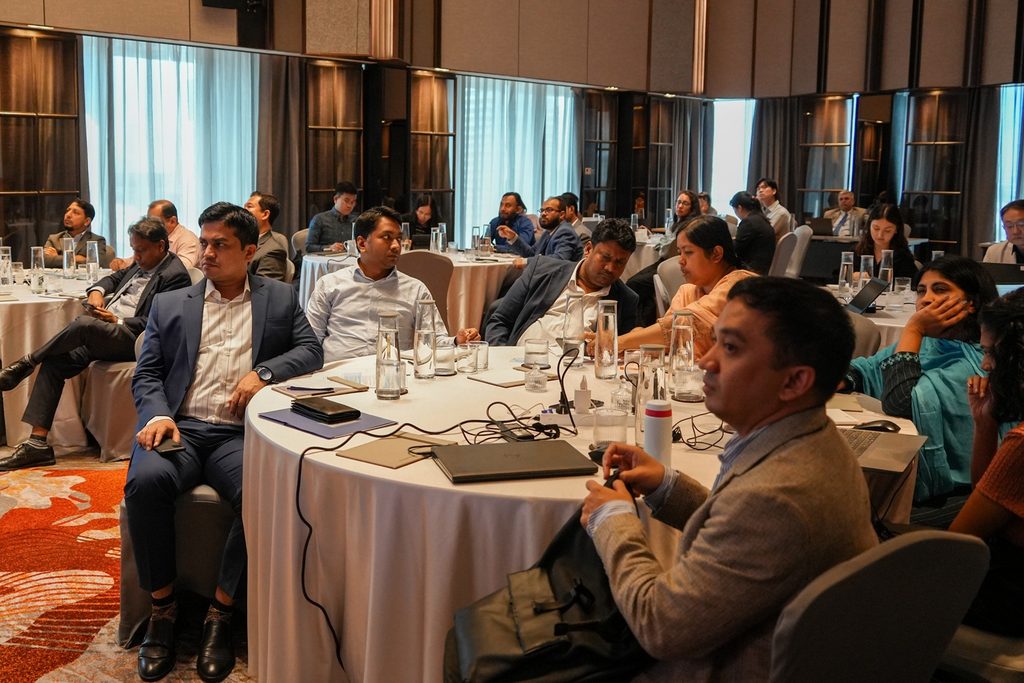
“Urban Resilience is about mitigating current and future risks and adapting where necessary. For cities that means developing policies and planning infrastructure that enhance the resilience, reduce the vulnerabilities of citizens, especially the marginalised communities, and provide certainty for investment in infrastructure.” said Mr. Curt Garrigan, Chief, Sustainable Urban Development Section, ESCAP.
The Expert Group Meeting opened with remarks from Dr. A.F.M. Amir Hussain, Joint Secretary, Ministry of Housing and Public Works, Bangladesh and ESCAP. Building on a July 2026 Expert Group Meeting, discussions focused on what countries and cities need to turn resilience commitments into action: integrated, risk-informed governance, better urban risk data, institutional capacity and access to finance.
A session moderated by UNDP showcased practical approaches from ICLEI South Asia, the Asian Institute of Technology, GIZ Thailand and Safetipin, including Bangkok’s urban heat action planning and the localization of resilience in Sri Lanka.
“When we look at our society as a whole, half of our population is actually women, it’s elderly people, it’s young children, and all of them experience all of these risks very unevenly” highlighted Ms. Rithvika Madhummail Rajiv, Program Manager at Safetipin.
A second session on financing and partnerships featured the GCoM–Gap Fund partnership, UN-Habitat, APDIM, UCLG ASPAC and the Global Disability Innovation Hub, with a focus on scaling investment and leaving no one behind.
Sinking Cities Community of Practice
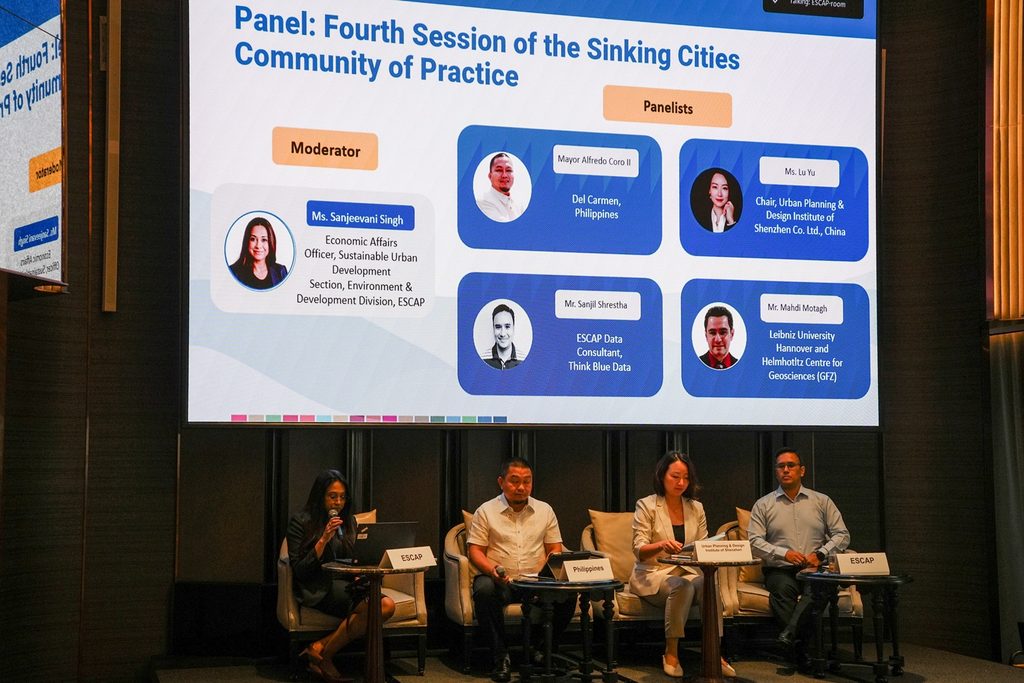
The fourth session of the Sinking Cities Community of Practice (CoP), established by ESCAP and its Asian and Pacific Centre for the Development of Disaster Information Management (APDIM), with UN-Habitat and support from the China-ESCAP Cooperation Programme, consolidated findings, tools and pilot-country experiences from the project’s three earlier sessions. Mr. Dong Wen, First Secretary and Assistant Permanent Representative of China to ESCAP, and Ms. Jing Yu, Senior Human Settlements Officer from UN-Habitat delivered opening remarks.
Land subsidence is a slow disaster, but that doesn’t make it less urgent. Every year of delay means more damage, higher costs, and greater risk to vulnerable communities… over the course of three years, the Sinking Cities Community of Practice has moved the regional conversation from greater awareness and improved data into local action. – Ms. Jing Yu, Senior Human Settlements Officer, UN-Habitat.
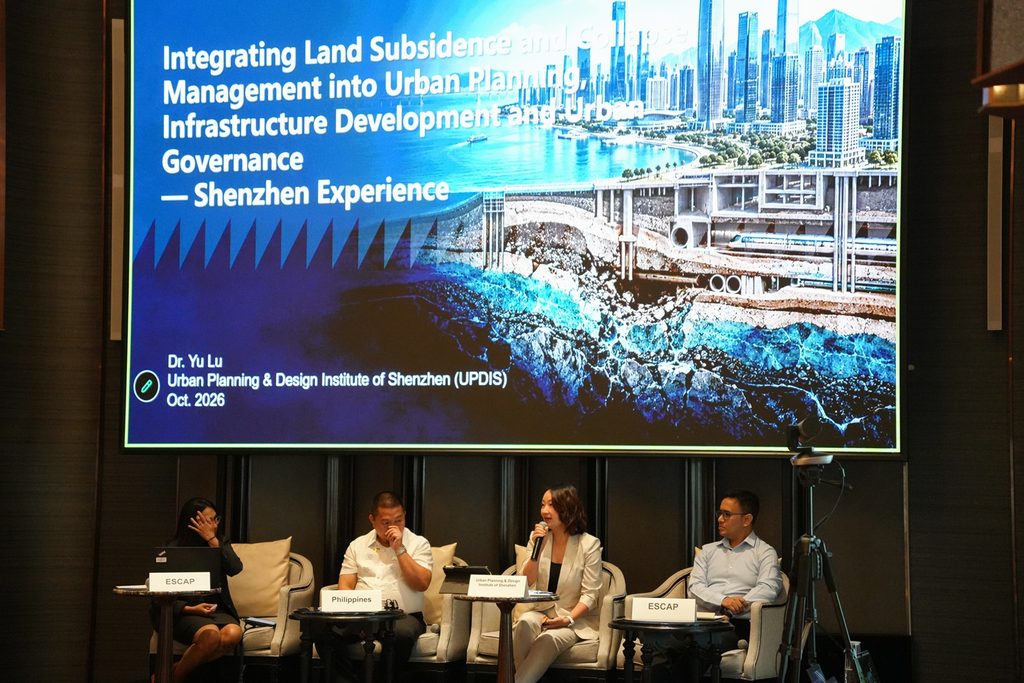
Speakers included Mayor Alfredo Coro II of Del Carmen, Philippines, on local leadership and community resilience, Ms. Lu Yu of the Urban Planning & Design Institute of Shenzhen on integrating subsidence into planning and governance, Mr. Sanjil Shrestha on ESCAP Land Subsidence Portal and Mr. Mahdi Motagh from Leibniz University Hannover and Helmhotltz Centre for Geosciences (GFZ). The session identified priorities for continued technical cooperation and regional collaboration beyond the current project.
Closing the meeting, ESCAP outlined next steps toward regional urban resilience guidance, informed by the priorities raised over the two days. These include stronger governance and institutional coordination, better risk information, resilient infrastructure, nature-based solutions and financing, along with new opportunities for technical cooperation, capacity development and continued peer exchange.
For more information: https://www.unescap.org/events/2026/regional-event-promoting-urban-resilience-asia-and-pacific