
Fazel Ahmad and his daughter are frequent visitors to Zindajan Health Center in Herat, Afghanistan. Before the rehabilitation of Zindajan Health Center, there was no sheltered place where he could sit beside her and wait for her name to be called for the medical consultation. Like other patients and accompanying family members, they waited outside in open, in heat, cold and storms.
Inside, the health center had little more to offer. The old main building stood damaged and unused for longtime . There were no hygienic toilets, and water was often too scarce to keep the rooms clean.
“The condition of the health center was distressing for us,” Fazl said. “Everything looked damaged.”
For some families, the challenges went even further. When more specialised health services were needed, people in Zindajan had to travel approximately 45 kilometres to Herat city. This journey was often difficult and an additional burden for people with limited financial resources.
Zindajan was among the areas hardest hit by the 2023 earthquakes in Herat Province. The earthquake further damaged the health center’s old main building, at a time when the rehabilitation of many public facilities was already constrained by limited resources following the takeover of the Taliban (De facto) authorities in 2021.
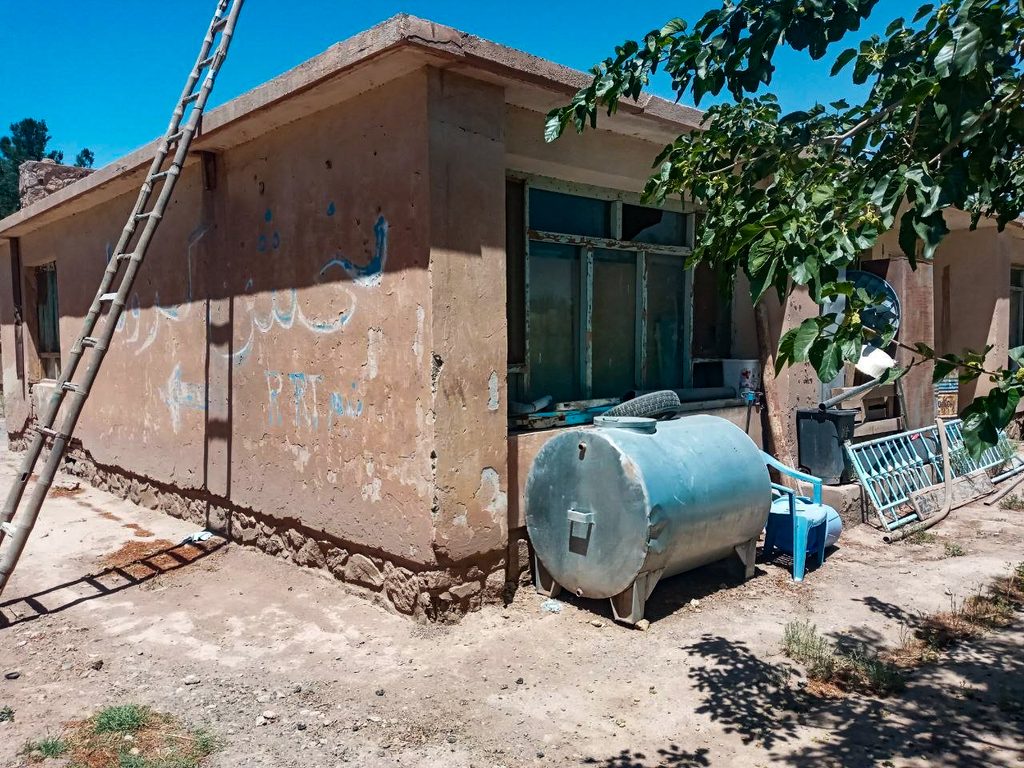
Despite the damage, the health center remained open and its staff continued to serve the community. But the place where people came for care could not offer even the most basic comfort and dignity anymore. For Dr. Omid Mirzaie, Head of Zindajan Health Center, the daily reality was hard to watch. “During the winter, rainwater would leak through the roof and into the rooms,” he said. “We also noticed various harmful insects and pests inside the building, which raised concerns about the possible spread of disease.”
Without appropriate space for examining and treating patients, staff worked in a smaller building next door, where rooms were overcrowded. “It was difficult for our team to provide health services in a proper, efficient and adequate manner,” Dr. Omid said.
Said Gul, who cleans the health center and makes sure water is available, carried a different kind of worry. “For me, the most difficult part was not knowing whether we would have enough water for the day,” he said.。
On busy days, water often ran short, making it difficult to keep rooms, toilets and shared spaces clean.
Water should not be a luxury in a place of care. It is the first line of defense in hygiene and part of the respect every patient deserves.
The toilets told the same story. For families arriving with a sick relative, and for health workers trying to offer care with respect, the lack of adequate facilities was not a small inconvenience. They were daily barrier to a clean, safe and dignified experience of care.
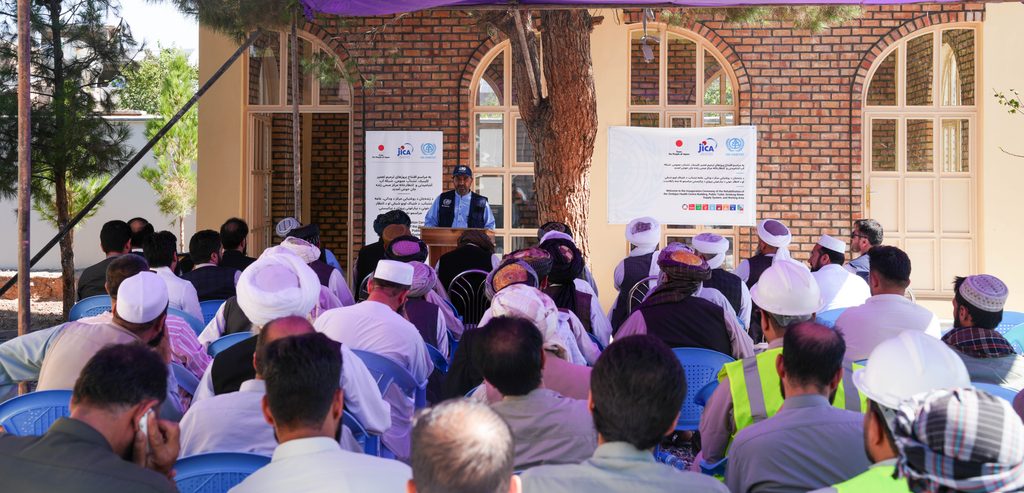
In 2026, UN-Habitat, with support from the Government of Japan through the Japan International Cooperation Agency (JICA), helped change what it meant to arrive at Zindajan Health Center.
The change began by listening. UN-Habitat teams assessed the health facilities in close cooperation and constant consultation with Dr. Omid, his colleagues and the local community, who knew the health center in a way no outside assessment could capture.
The people who know a place best know what it needs
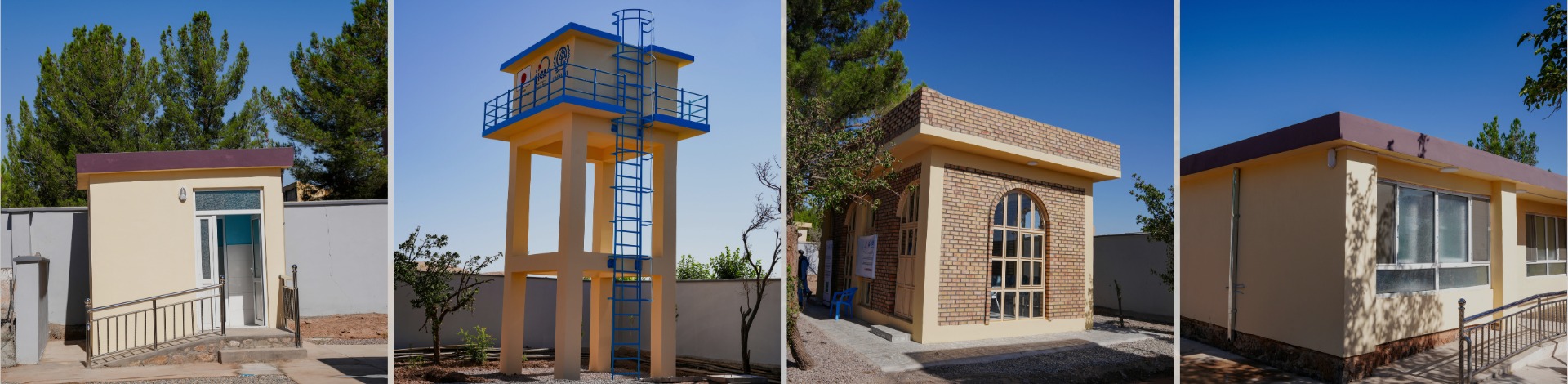
The old main clinic building was rehabilitated. The water supply and sanitation facilities were improved. A new waiting hall was constructed for patients and their accompanying family members.
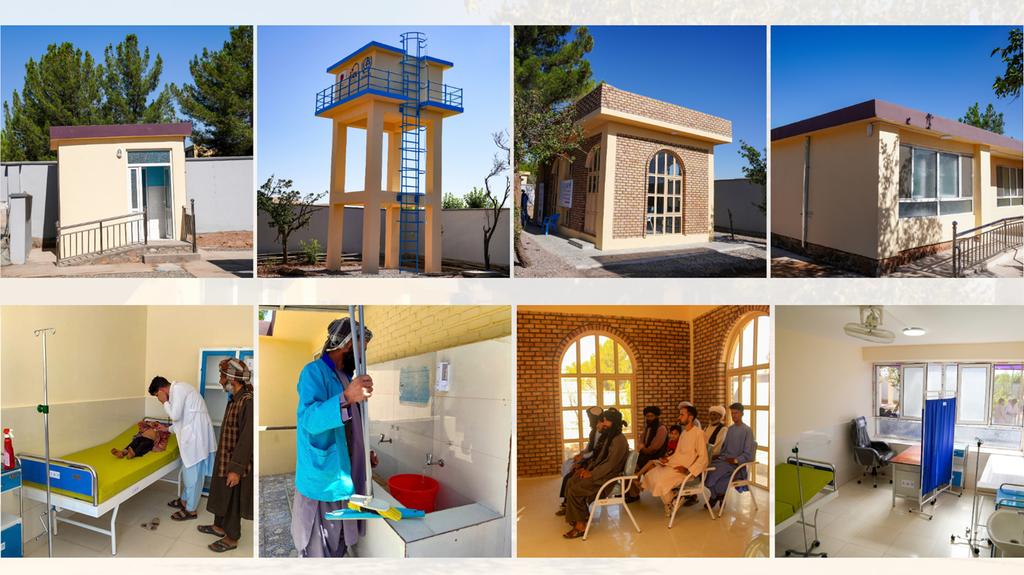
Today, the rehabilitated facility supports general outpatient services for a community of more than 30,000 people coming from the surrounding villages. According to Dr. Omid, approximately 250 to 280 patients seek medical services at the center every day.
For patients and their families, the first change is visible at the door. “I feel that patients and their families are treated with more dignity,” Dr. Omid said.
The rehabilitation has not removed every challenge. On busy days, the number of patients is still too high for the available space. For older people, persons with disabilities and those travelling from remote areas, the road to the clinic can still be long.
The journey to care may still be long. But at Zindajan Health Center, it no longer has to become harder once people arrive.
The staff also know that this change must be properly taken care of. Dr. Omid stresses that the facilities need regular maintenance and timely repairs.
Fazl Ahmad still brings his family members to Zindajan Health Center for treatment. What has changed is what greets them when they arrive. “Our concerns have been addressed, and I am very happy that we can now benefit from these services close to our homes.” Fazel said.
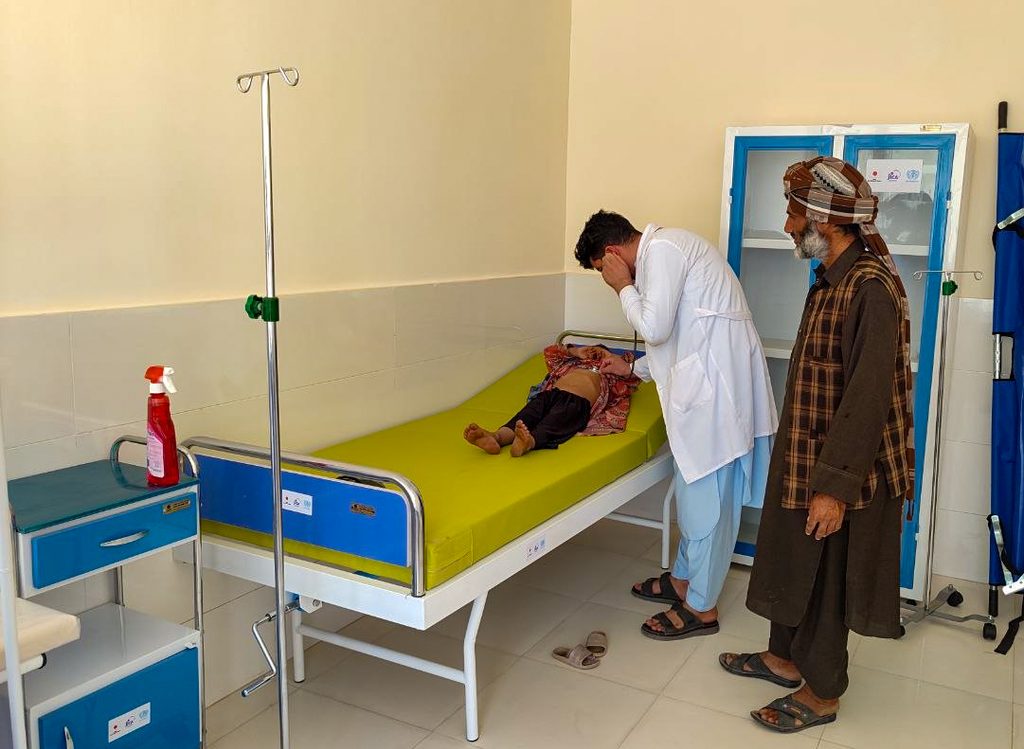
For Dr. Omid, the support carries a meaning beyond the building itself: “We are grateful to the people of Japan and JICA,” he said. “Their contribution has improved both the quality and availability of health services in our community.”
Japan’s support has improved both the quality and availability of health services in our community.
The needs in Zindajan are not unique. Across Afghanistan, one in three people lives in an area where health services are scarce or facilities inadequate, underscoring the urgency of strengthening health infrastructure and expanding access to services.
In the end, this was never only about a building. A clinic building that had stood damaged and abandoned has come back to life, and with it has come something harder to measure. Patients now receive medical support with greater comfort and reassurance. Health workers provide care in safer, more dignified and better-organised conditions. For a community of more than 30,000 people, that is what hope looks like.