Background
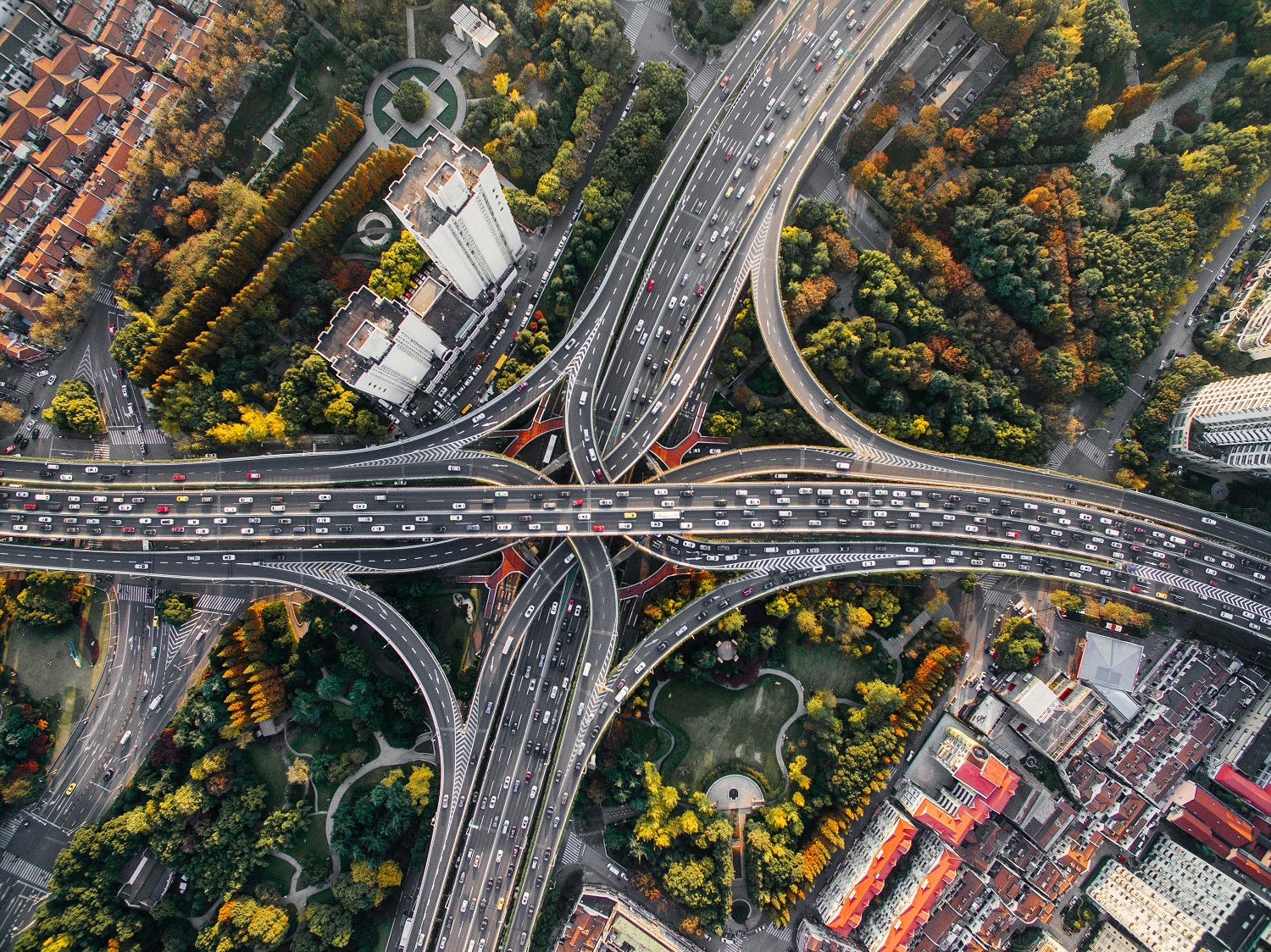
As cities across Southeast Asia motorise at an increasingly rapid pace, ensuring that urban mobility is safe as well as efficient is of paramount importance. Road traffic injuries remain a leading cause of death among people aged 5–29 worldwide, and Thailand records one of the highest road fatality rates in the region, with the majority of deaths involving motorcyclists and other vulnerable road users. In Bangkok, a city of over 10 million residents and daily commuters, the concentration of crashes in specific corridors and intersections points to risks that are systemic and predictable rather than random, and therefore preventable.
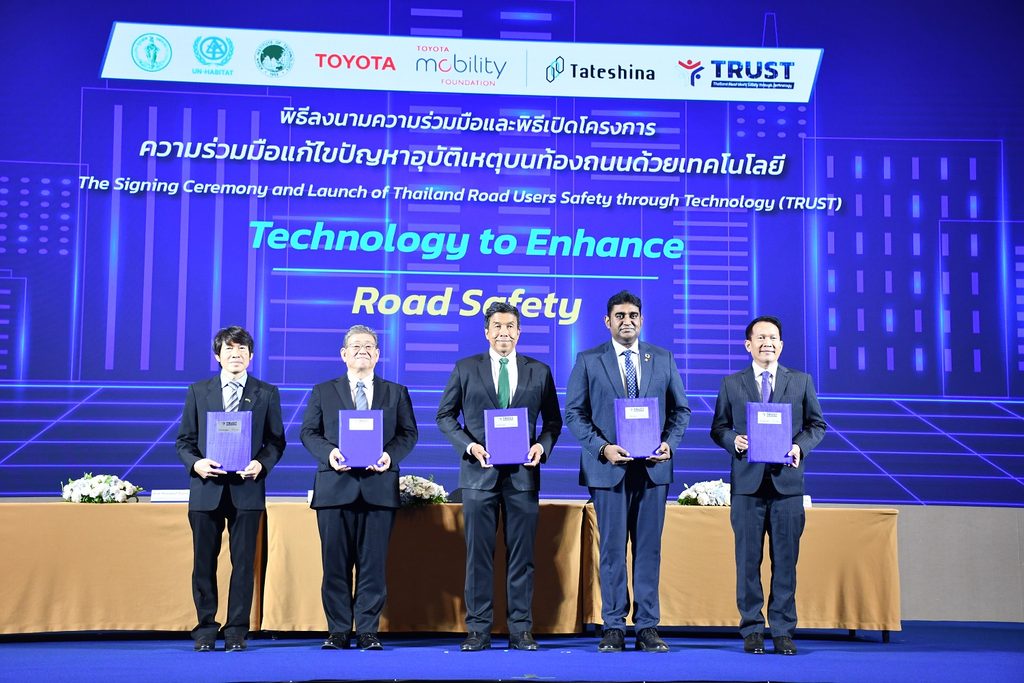
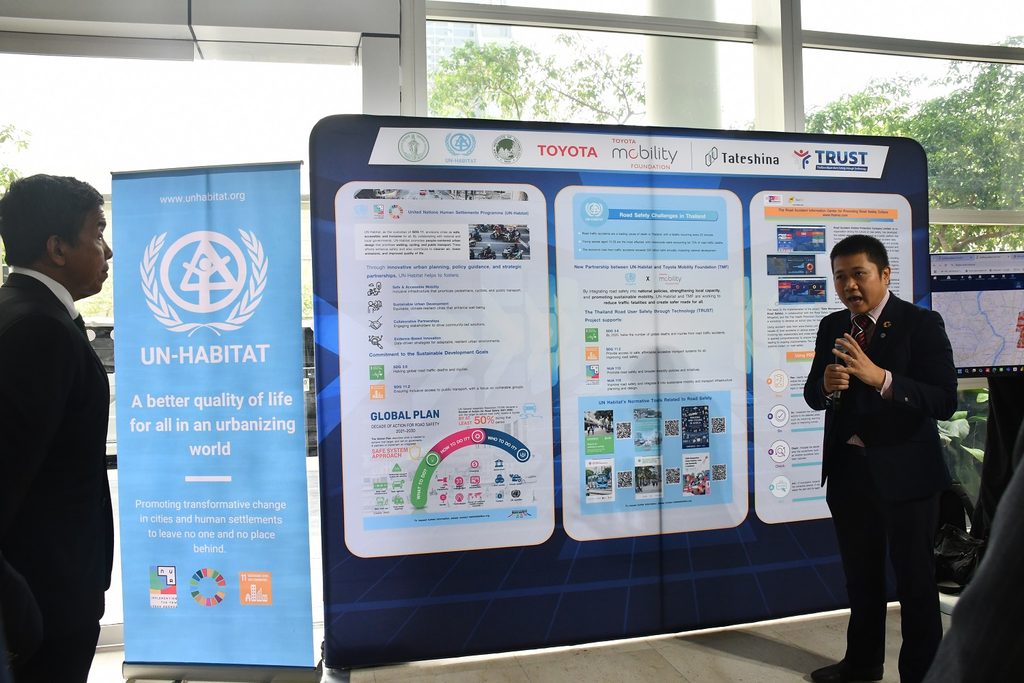
Thailand Road Users Safety through Technology (TRUST) Project is a collaborative initiative involving the Toyota Mobility Foundation (TMF), Bangkok Metropolitan Administration (BMA), UN-Habitat, Asian Institute of Technology (AIT), Toyota Motor Thailand Co., Ltd. (TMT), and Road Accident Victims Protection Co., Ltd. (RVP). The project applies AI-based analytics, systematic data collection, and spatial analysis to proactively identify accident risks and unsafe road user behavior before they result in serious crashes.
Recent analytical assessments conducted under the project have identified key road safety blackspots and underlying risk factors in the Chatuchak area, one of Bangkok’s critical transport corridors. The analysis provides valuable insights into crash patterns, contributing factors, and location-specific risks, offering a strong evidence base for targeted countermeasures.
Objectives
Recognising this trend, the TRUST Project evolved from discussions among mobility companies and organisations at the Tateshina Meeting in Japan, where participants strategized on shared approaches to road safety. The TRUST Project focuses on reducing road crashes, particularly collisions between four-wheeled and two-wheeled vehicles (4W×2W), by harnessing data and technology to identify crash risks, understand their root causes, and develop and implement targeted, evidence-based road safety measures. Now in its second phase, the TRUST Project aims to:
- Identify where crashes occur and why they happen, using AI, CCTV analytics, and spatial risk mapping;
- Enable earlier interventions, safer street design, and measurable behaviour change in the pilot area of Chatuchak;
- Create a scalable model for road safety that can be piloted in Bangkok, replicated across Thailand, and shared globally.
Project Outputs
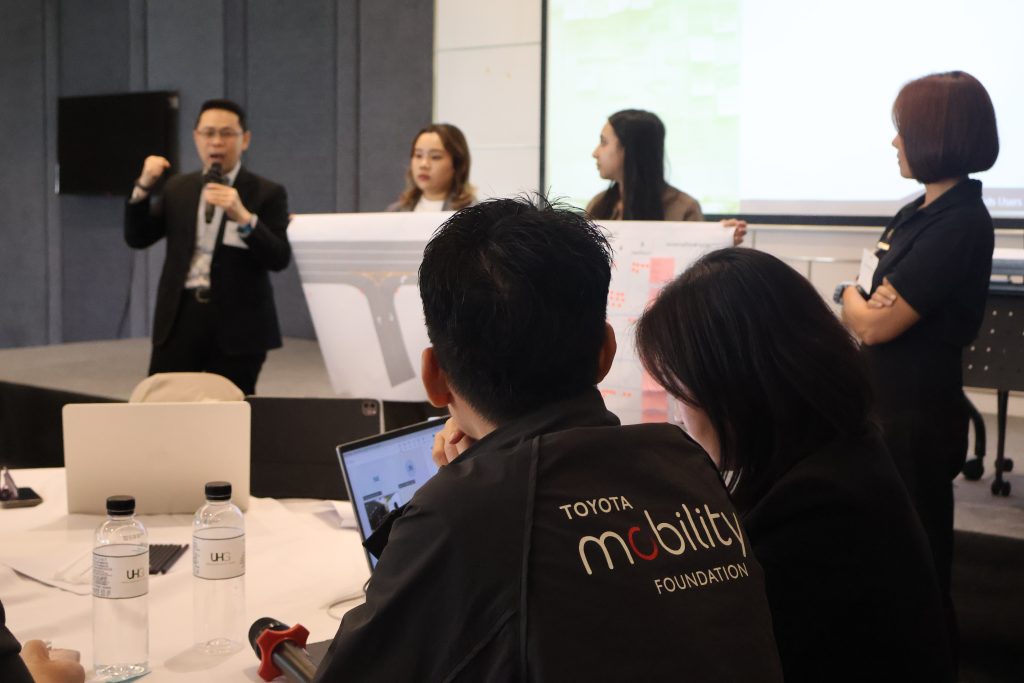
To achieve these objectives, the project partners adopted a multi-scalar approach that combines site-level technical analysis with city- and national-level policy engagement. Close collaboration with the Bangkok Metropolitan Administration in a defined pilot area serves as a starting point to drive further road safety solutions at the local level, while producing evidence and findings to support national replication and normative work.
The TRUST Project consists of four main outputs:
- Evidence-based identification of traffic crash root causes and development of targeted countermeasures.
- Crash risk findings and recommended countermeasures shared with national and local governments to support evidence-based road safety action.
- TRUST Project findings and approaches disseminated nationally and internationally to promote data- and technology-driven road safety.
- Community-level road safety awareness and engagement activities delivered.
Development Partners
Toyota Mobility Foundation (TMF)
Bangkok Metropolitan Administration (BMA)
Toyota Motor Thailand (TMT)
Asian Institute of Technology (AIT)
Thai Roads Foundation / RVP