Background
Bangkok is one of Southeast Asia’s most dynamic and populous cities, with over 10 million residents and a rapidly expanding metropolitan area. However, its urban growth has been largely car-dependent, leading to severe traffic congestion, air pollution, and increasing greenhouse gas emissions. While the city has made significant investments in mass transit systems, including the BTS Skytrain and MRT, challenges remain in integrating public transport with urban development, improving first- and last-mile connectivity, and ensuring equitable access to mobility solutions.
Transit-Oriented Development (TOD) offers a strategic approach to addressing these challenges by promoting mixed-use, high-density development around transit hubs. By integrating public transport, land use planning, and non-motorized transport (NMT) solutions, TOD can reduce private vehicle dependence, enhance urban resilience, and create more livable and inclusive communities.
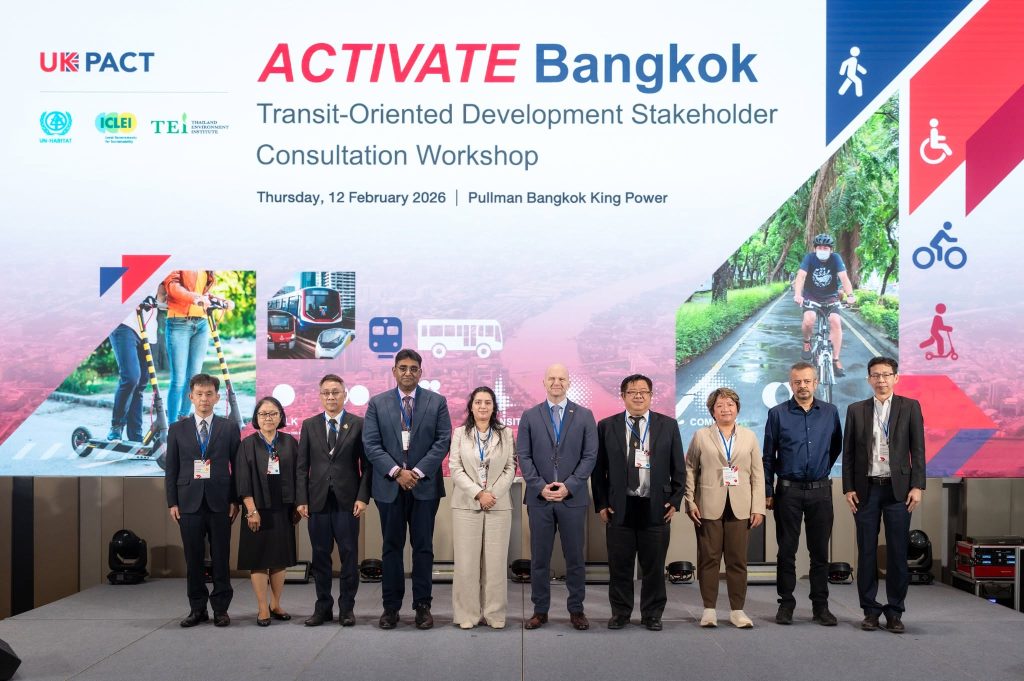
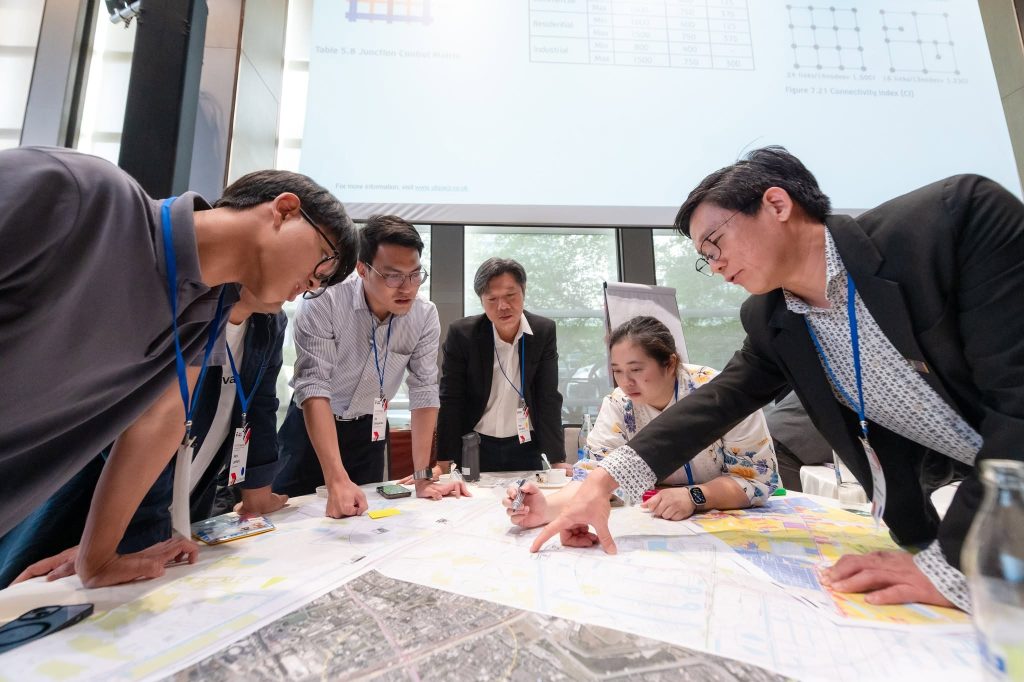
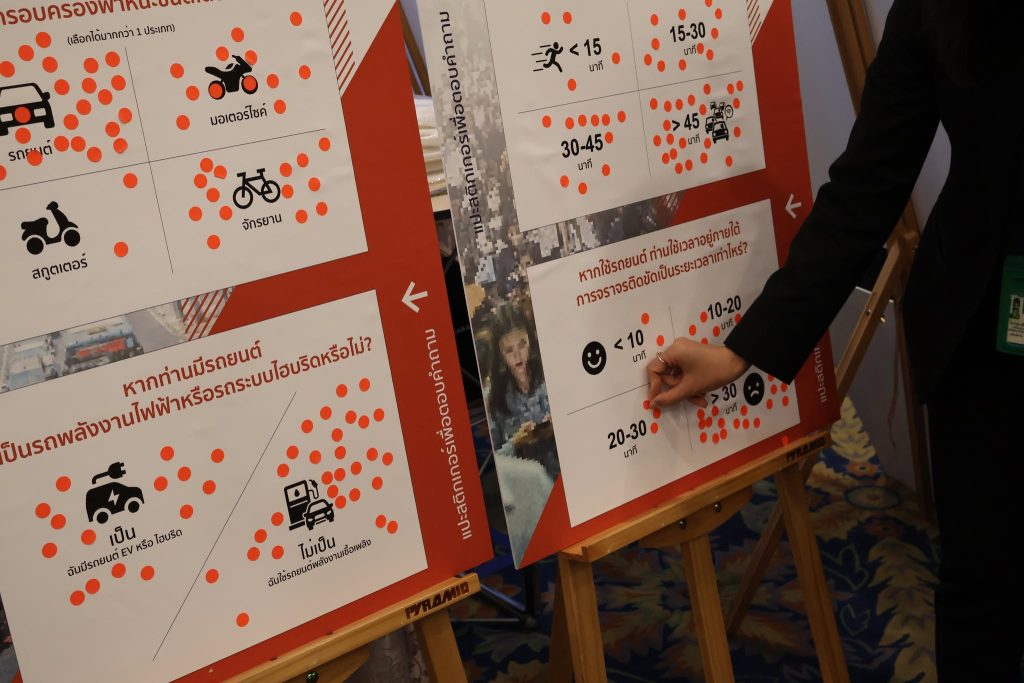
The Accelerating Climate-Resilient Transit-Oriented Inclusive and Vibrant Areas for Everyone in the Bangkok Metropolitan Area (ACTIVATE) Project, implemented under the Thailand–UK PACT programme, works in close collaboration with the Bangkok Metropolitan Administration (BMA) and relevant national agencies to strengthen institutional capacity for climate-resilient and people-centred TOD. Through evidence-based planning tools, technical assistance, capacity building, and multi-stakeholder engagement, the project supports Bangkok in advancing sustainable urban mobility and accelerating the transition toward a low-carbon future.
Achieving truly inclusive urban mobility requires addressing the needs of vulnerable groups, including women, the elderly, and persons with disabilities. Despite advancements in infrastructure, accessibility gaps persist, limiting equal access to public transport and public spaces. The ACTIVATE Bangkok project seeks to bridge these gaps by embedding equity considerations into TOD design, ensuring that transit stations and surrounding areas are safe, accessible, and welcoming for all.
Objectives
The ACTIVATE BANGKOK project, addresses urban mobility, climate resilience, and inclusivity in Bangkok. In promoting Transit-Oriented Development (TOD), the project integrates public transport, land use, and non-motorized transport (NMT) to reduce private vehicle dependence, enhance public transport accessibility, and promote inclusive development. Central to the approach of the project is the development and application of context-based TOD typologies to guide site selection and prioritise interventions, ensuring that climate resilience and accessibility improvements are embedded in all phases of the project. The ACTIVATE Bangkok Project aims to:
- Create an inclusive urban mobility system that encourages the use of public transport and NMT, informed by TOD typologies to optimise site selection and prioritise context-based interventions.
- Enhance climate resilience with green and blue infrastructure, hybrid solutions nature-based solutions in TOD areas. It will be based on a holistic and systemic approach to build a green eco-system at each station.
- Ensure equitable access to mobility and public spaces for vulnerable groups, including women, the elderly, and persons with disabilities.
Project Outcomes
The ACTIVE Bangkok project consists of 4 main outcomes:
- The increased capacities of the task force provide the foundations to establish a dedicated authority, empowered to effectively govern, coordinate, and scale the implementation of climate-resilient TOD projects.
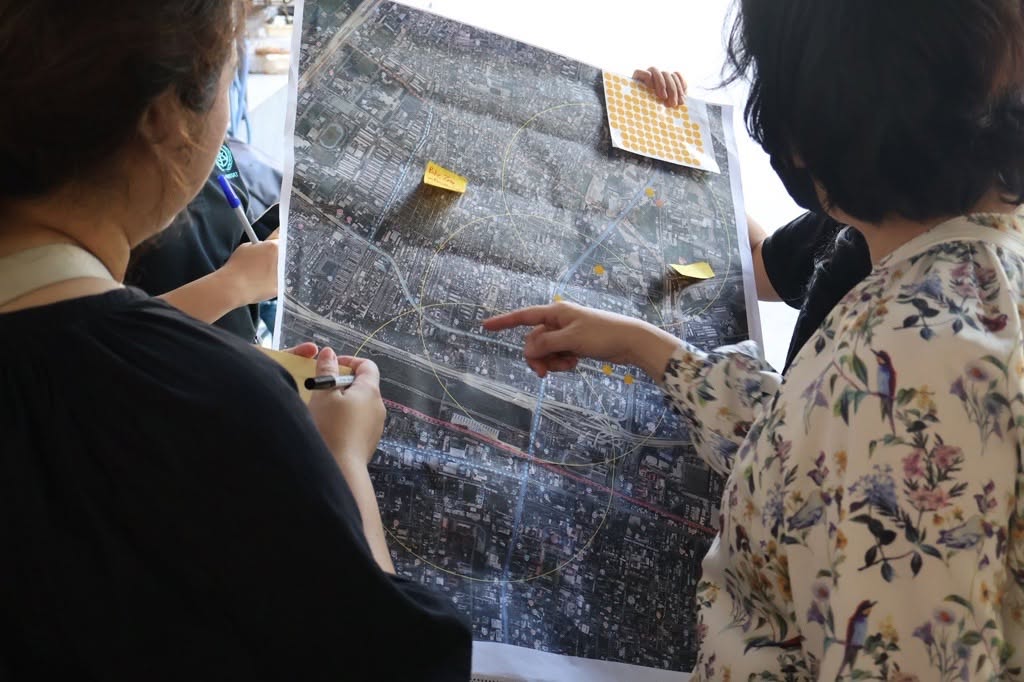
- TOD typologies inform targeted planning and interventions at pilot sites, focusing on areas that maximise public transport use, improve road safety, and leverage land-use characteristics for effective TOD implementation.
- Identification of high-potential sites for interventions using TOD typologies ensures improved accessibility leading to increased foot traffic, demand for land development and economic co-benefits.
- Equitable and climate-resilient TOD projects, informed by the spatial analysis and pilot intervention outcomes, ensure the needs of all residents are met, leaving no one behind.
Development Partners
Local Governments for Sustainability (ICLEI)
Thailand Environment Institute (TEI)