Background
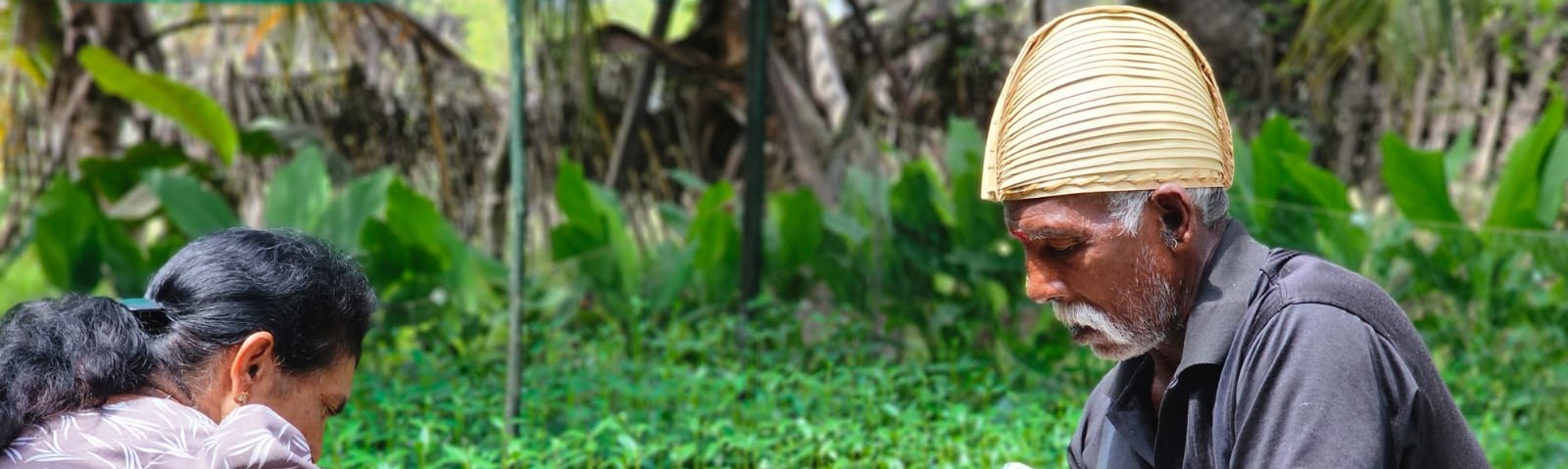
Mullaitivu District is considered as one of the most vulnerable districts to climate change in Sri Lanka. It frequently experiences disasters, particularly during the annual monsoon season. Droughts, floods, strong winds, lightning, and coastal hazards significantly impact the district, resulting in issues such as water salinity, lack of drinking and agricultural water, water pollution, reduced crop yields, and increased soil erosion. These challenges are worsened by factors such as poverty, limited income sources, financial exclusion, and restricted access to social protection faced by Communities in Mullaitivu District. Consequently, the district struggles with long-term recovery, which involves restoring livelihoods and rebuilding essential infrastructure, further intensifying its vulnerability to climate change. The socio-economic resilience of Mullaitivu District is essential for its residents to cope and recover from shocks.
Objectives
This project aims to address climate change challenges faced by the Mullaitivu District and comprises of two main components:
1) Developing resilient and adaptive livelihoods in the Puthukkudiyiruppu, Maritimepattu, and Welioya DS divisions in Mullaitivu District.
2) Addressing capacity needs and gaps in adaptation measures that can reduce vulnerability to climate change and increase coping capacity.
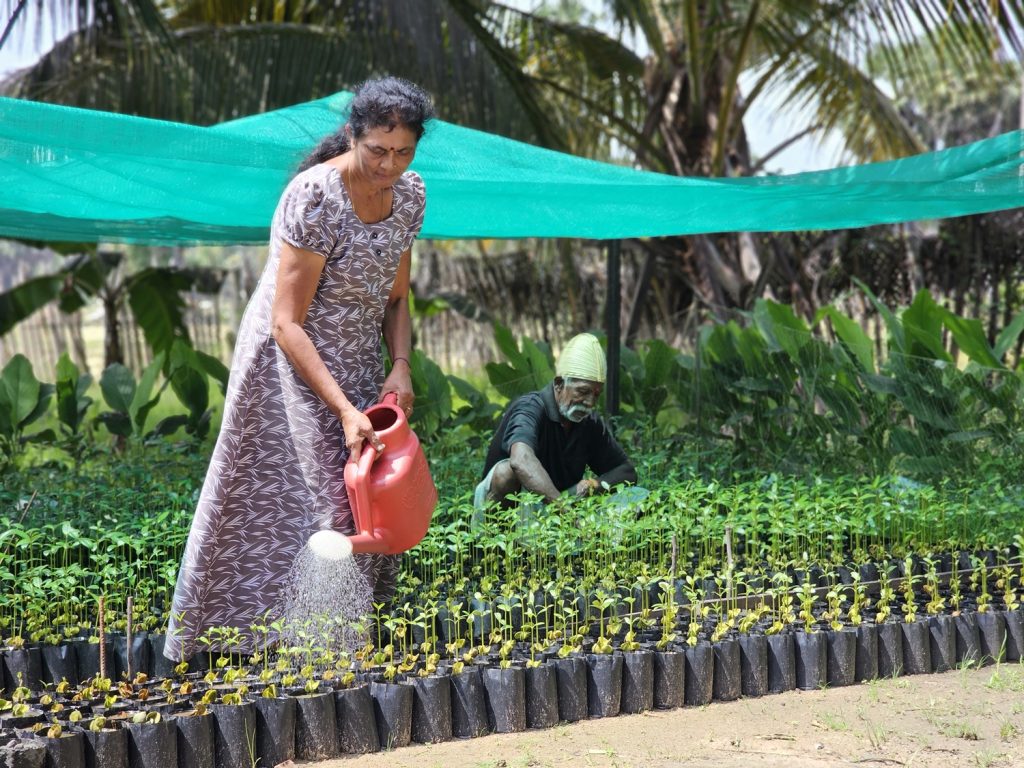
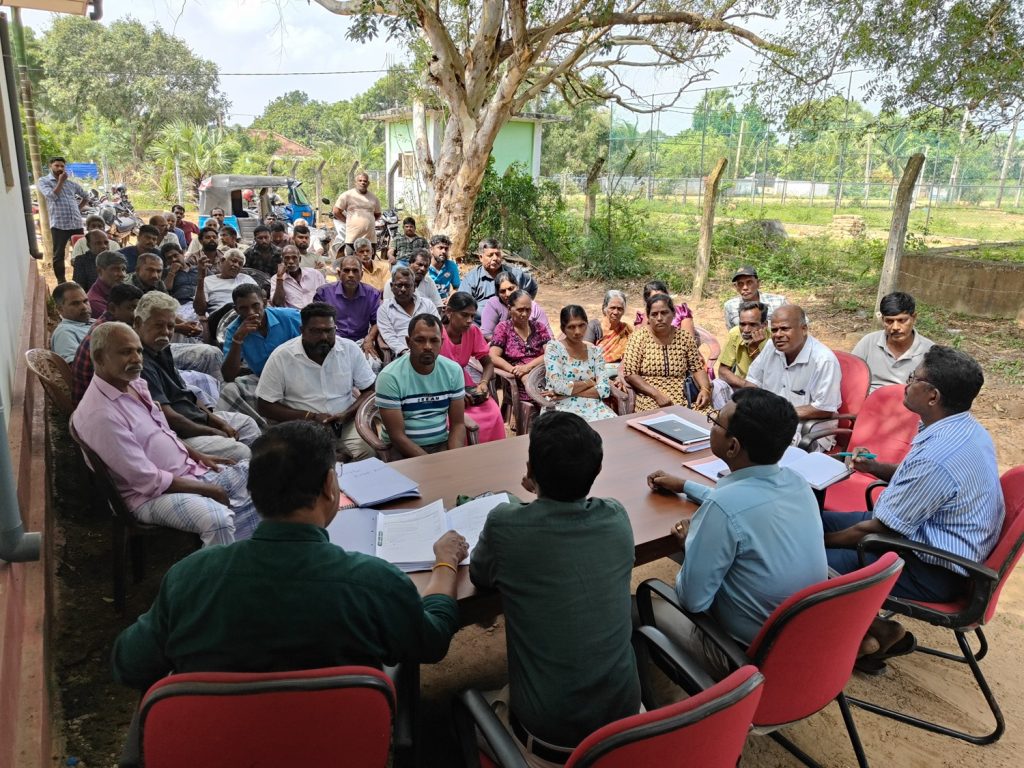
While the first component focuses on reducing vulnerability to climate-related risks by providing infrastructure support and promoting climate-resilient agriculture and fisheries to enhance income and capacity, the second component aims to deal with climate change by developing climate change adaptation strategies through capacity building. The project will also facilitate dialogue among stakeholders, through awareness campaigns, and other initiatives in the targeted areas.
Goals
1. To improve climate-related socio-economic outcomes in the targeted fishing and agricultural communities through the implementation of community-based adaptation solutions.
2. To support climate resilient development and increase institutional and community capacity to adapt to the changing and variable climate.
Methodology
UN-Habitat will serve as the Implementing Agency, responsible for overseeing the project and providing technical support. The Ministry of Environment (MoE), acting as the Executing Entity (EE) for the Adaptation Fund (AF) project, will ensure effective implementation in compliance with AF operational and financial guidelines while providing strategic direction to align project objectives with environmental and climate adaptation priorities. A Project Support Unit (PSU) will be established at the district level to coordinate project activities and ensure seamless integration between national oversight and community-level implementation. Project execution will be carried out through Agreements of Cooperation (AoC) with national partners and Community Agreements (CA) with local partners, including Community-Based Organizations (CBOs).
Expected Results
The activities and expected outcomes of this project target the mitigation of vulnerabilities encountered in Mullaitivu, while fostering sustainable development in response to the challenges posed by climate change.
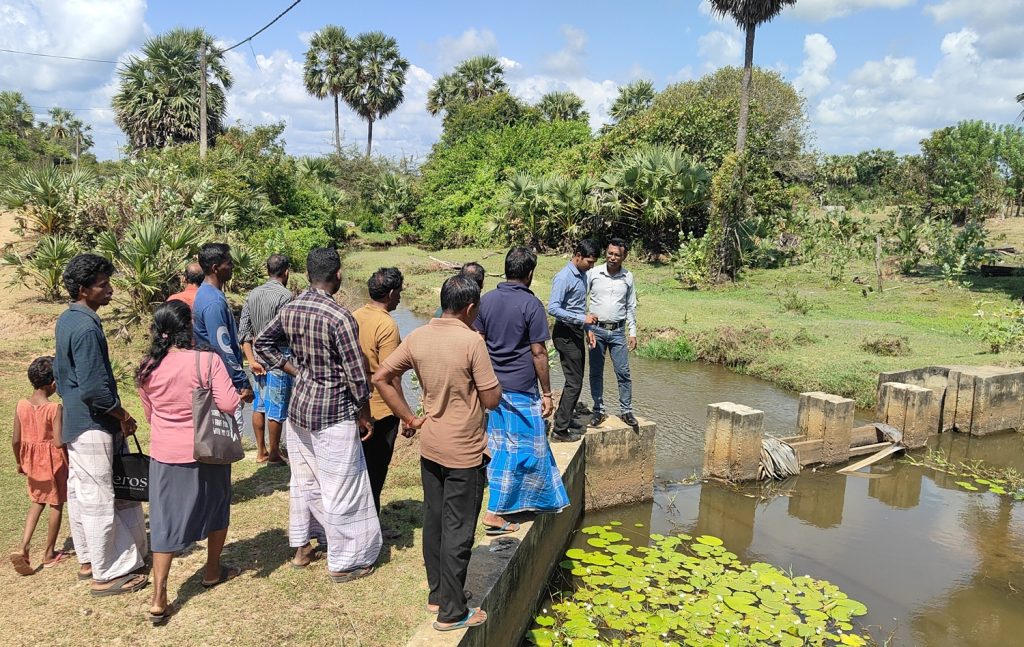
- Reduce vulnerability of coastal communities by collaborating on (a) measures to minimize saltwater intrusion into freshwater bodies and agricultural land through 1km earth bund formation, (b) renovate 15 minor tanks for water storage, drinking and irrigation, (c) construct 20 disaster-resilient toilets and (d) renovate 3km existing evacuation route.
- Promote climate resilient sustainable agriculture and increase productivity with climate resilient crops.
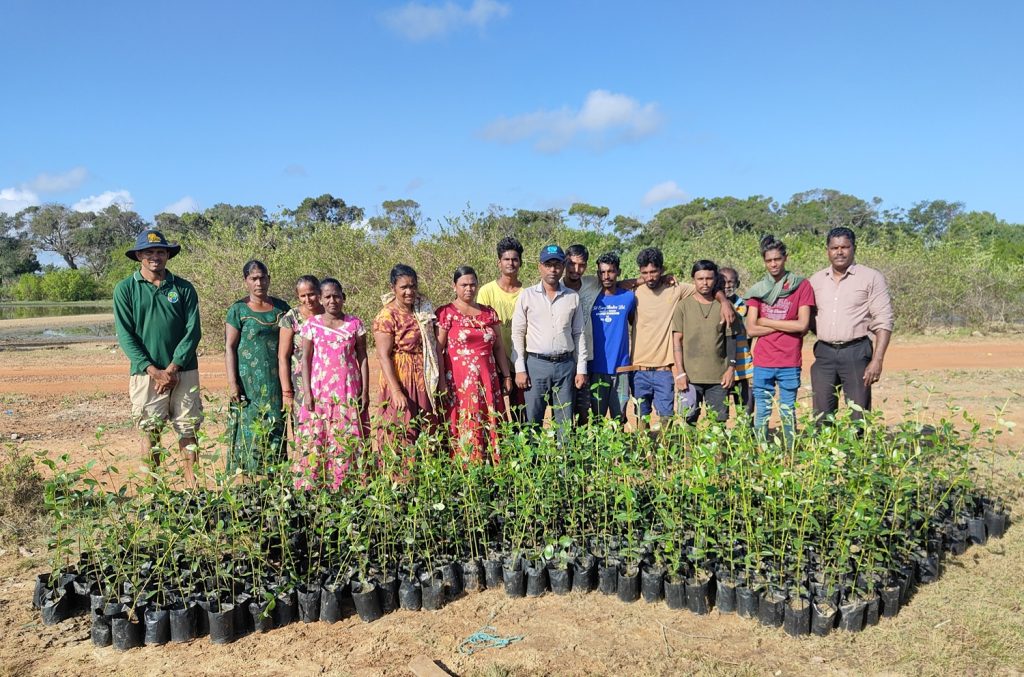
- Increase income of vulnerable fishing households, in particular women and youth through value-added fish processing and rehabilitating 1.5 km mangroves (approx. 2 hectares) for improved lagoon fishery.
- Participatory vulnerability/risk assessments to mainstream community-based climate change adaptation in local development plans and promote climate change/disaster resilient local development plans.
- Share knowledge and lessons through documentation of climate resilient actions for increased adaptive capacities.
Donors and Key Project Stakeholders
Donor: The Adaptation Fund
Key Project Stakeholders: Ministry of Environment, Mullaitivu District Secretariat, Central Environment Authority; Department of Agrarian Development; Department of Fisheries and Aquatic Resources; Forest Department; Department of Coast Conservation and Coastal Resources Management; Disaster Management Center; NGOs; Community Based Organizations; Women’s Groups; National Youth Services Council; Local Authorities; Small Enterprises Development Division.
Relevant Links
Promoting Climate-Resilient and Sustainable Agriculture in Mullaitivu District