Agency calls for climate-resilient, inclusive urban sanitation as the Summit closes on World Toilet Day
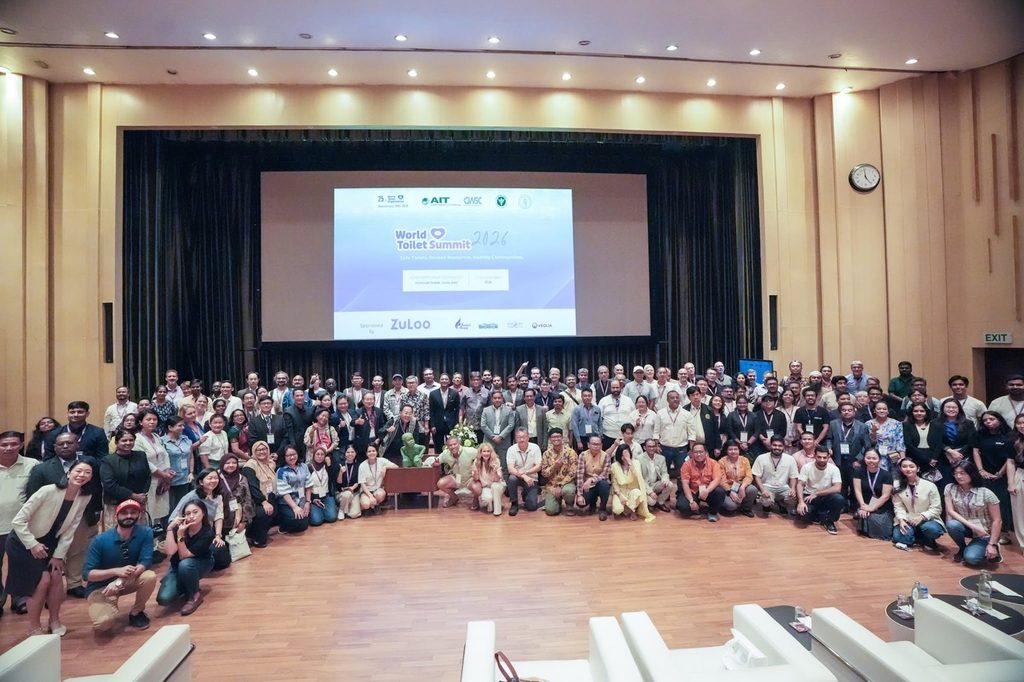
20 November 2026, Thailand – UN-Habitat took part in the World Toilet Summit 2026, held from 17 to 19 November at the Asian Institute of Technology (AIT) campus in Pathum Thani, Thailand, bringing its urban expertise to discussions on how cities can deliver safe, resilient and inclusive sanitation for all.
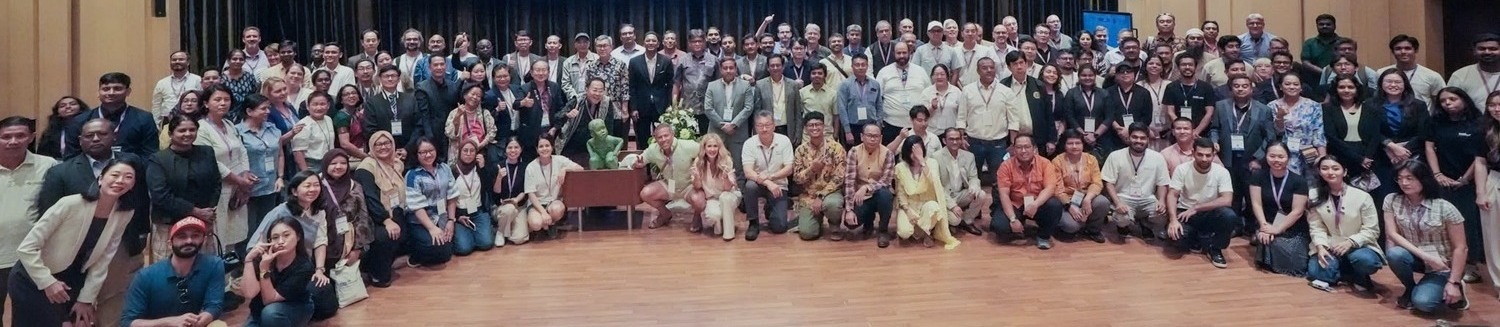
Organized by AIT and the World Toilet Organization, with Thailand’s Department of Health and the Bangkok Metropolitan Administration as host partners, the Summit marked the World Toilet Organization’s 25th anniversary. Under the theme “Safe Toilets, Reused Resources, and Healthy Communities”, it brought together government leaders, city authorities, sanitation technology and innovation providers, financiers and researchers from South and Southeast Asia, Africa and beyond. The Summit closed on 19 November, United Nations World Toilet Day, observed this year under the theme “Safe toilets. Equal futures.”
Around 3.4 billion people worldwide still live without safely managed sanitation. As the share of the world’s population living in cities is expected to reach almost 68 per cent by 2050, the pressure on urban sanitation systems will only grow – particularly in fast-growing secondary cities and informal settlements, where shared and public facilities are often the only option and where women and girls face the greatest risks to their safety, health and dignity. Climate change adds further strain, with floods and droughts damaging infrastructure and spreading contamination.
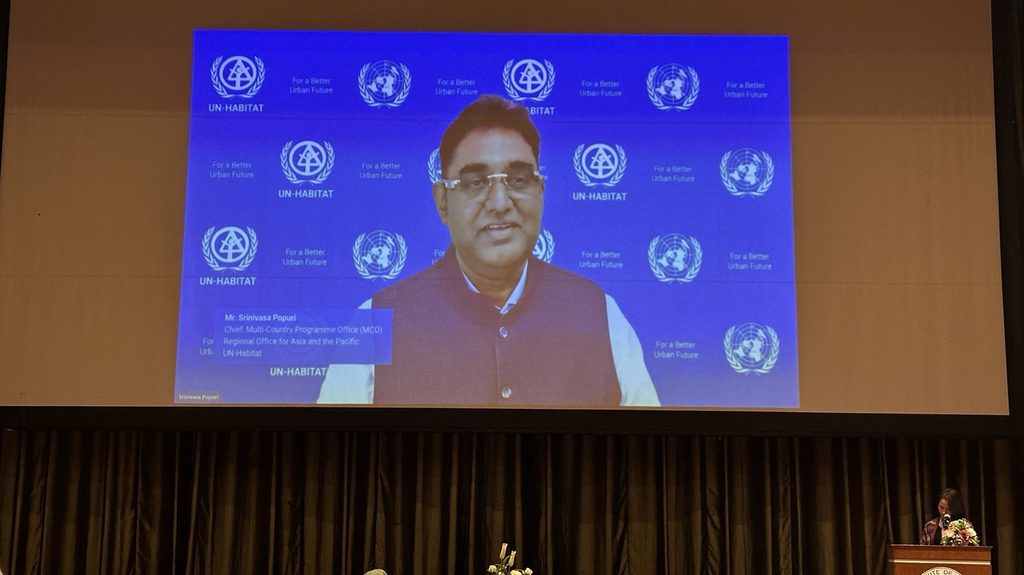
“Sanitation is not only a public health issue, but also an urban planning issue. Cities that plan for safe, accessible and climate-resilient sanitation, especially in informal settlements, are cities that protect the dignity of women and girls and the health of everyone. UN-Habitat is here to help turn the commitments made at this Summit into services on the ground,” said Mr. Srinivasa Popuri, Chief of the UN-Habitat Bangkok Multi-Country Programme Office.
The Summit was organized around three tracks: climate-resilient sanitation for cities and communities; the circular sanitation economy; and moving from dialogue to delivery through markets and matchmaking. Implementation clinics connected cities and governments with solution providers, financiers and technical experts, alongside showcases of technologies that turn sanitation waste into energy, fertilizer, biochar and reusable water.
UN-Habitat led the plenary on Sub-Theme 4, “Future-Proofing Urban Sanitation: Innovation and Technology for a Changing Climate” which asked a critical question – how can cities turn sanitation innovations into inclusive, climate-resilient services that reach every neighbourhood? Panellists explored the climate challenges facing cities and the decentralized, resource-efficient technologies emerging in response.
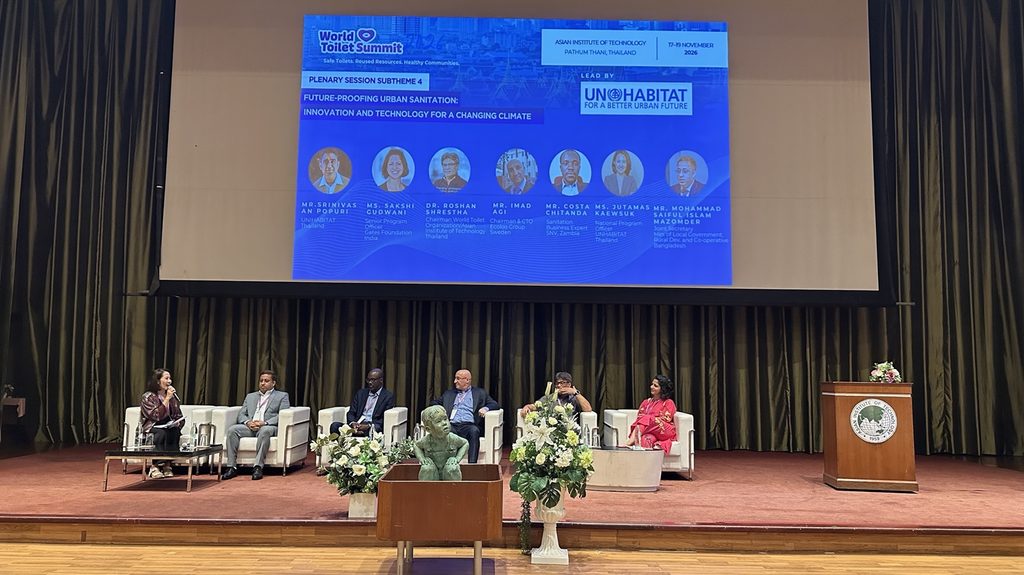
A follow-up breakout session moved from discussion to practice. Lightning cases from BORDA Lao PDR, the Planning Agency of Surakarta City (Indonesia), the Chaozhou Chao’an Guxiang Ceramics Association (China) and Bangladesh’s Policy Support Branch shared what made their solutions appropriate to their context and what it takes to sustain them.
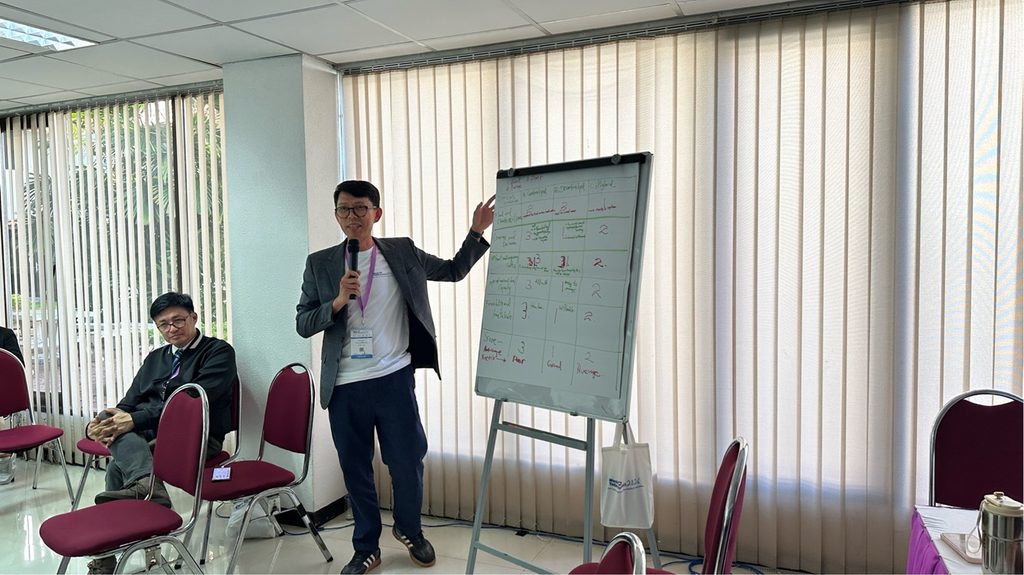
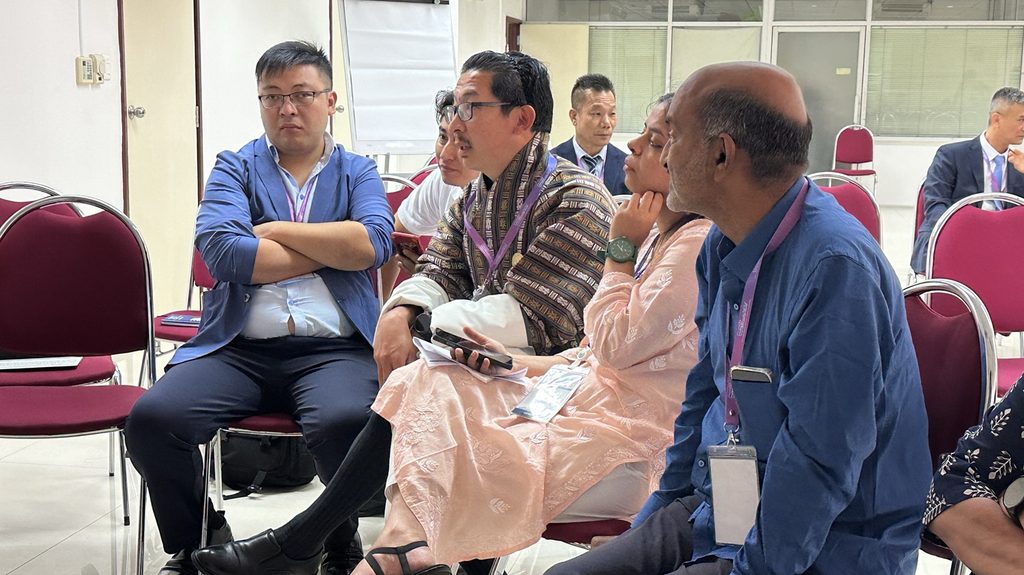
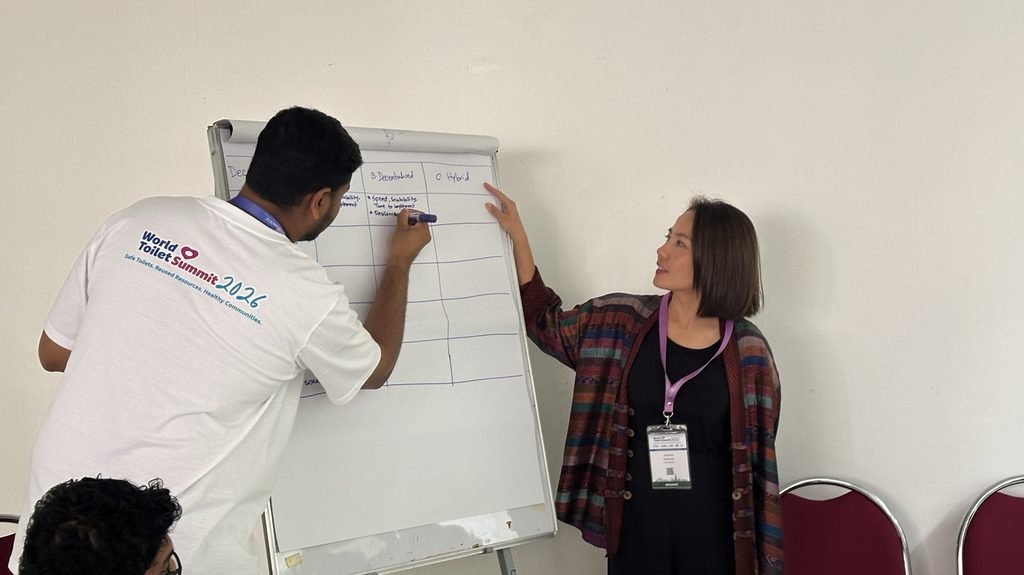
Breakout session in the afternoon with participants from the World Toilet Summit. © UN-Habitat
UN-Habitat’s participation reflects its commitment to the New Urban Agenda, to Sustainable Development Goals 6 (clean water and sanitation) and 11 (sustainable cities and communities), and to ensuring that no one and no place is left behind. It also supports the agency’s mandate under its Strategic Plan 2026–2029 to assist Member States in expanding access to basic services, including sanitation.