
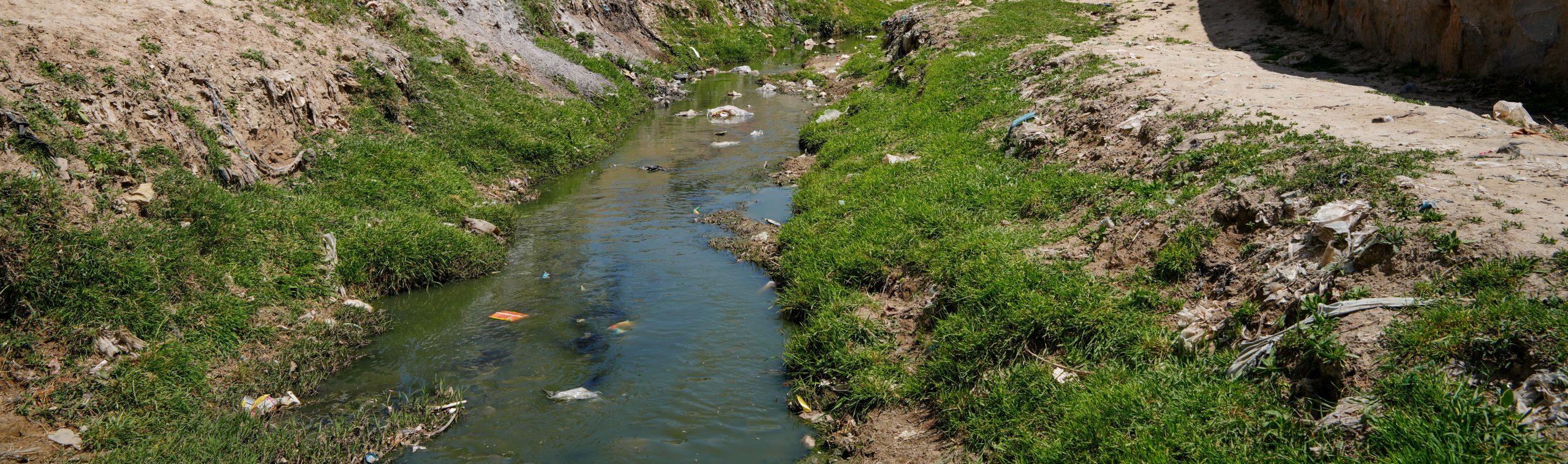
UN-Habitat Afghanistan and the Lisbon School of Architecture (FA. ULisboa) joined forces to strengthen knowledge and build capacity for climate-resilient urban recovery through the Regenerative Futures Summer School, focusing on Climate-Resilient Reconstruction in Fragile Contexts, held in Lisbon from 6 to 10 July 2026. The workshop, organized by the Regenerative Futures working group, a collaboration of UN-Habitat Afghanistan and the Lisbon School of Architecture, was further supported by contributions from the European Centre on Urban Risks (CERU), under the Council of Europe, the Institute of Geography and Spatial Planning (IGOT), and the Institute for Housing and Urban Development Studies (IHS) at Erasmus University Rotterdam.
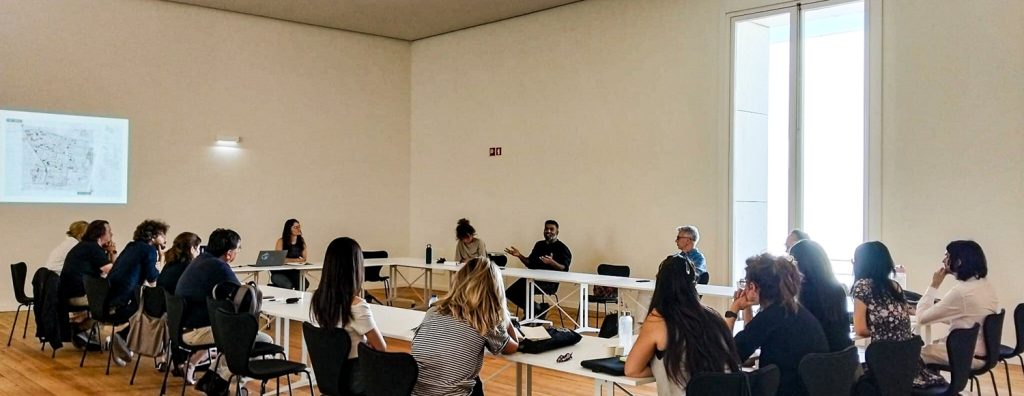
The initiative brought together urban professionals, researchers, students and international experts from six countries representing various institutions and provided a collaborative platform to explore innovative planning and design approaches for cities facing the impacts of climate change, disasters and conflict, using Afghanistan as the principal case study focusing on vulnerable communities in Kabul, specifically gender and public spaces in a neighbourhood known as Dasht-e-Barchi.
Throughout the week, participants took part in expert lectures, technical discussions, collaborative design studios and knowledge exchange sessions with international experts and speakers with an aim to examine how regenerative neighbourhoods principles can restore environmental systems and enhance community resilience. Members of the UN-Habitat Afghanistan team shared first-hand experience from ongoing urban recovery initiatives, providing valuable insights into the practical challenges and opportunities of reconstruction, this helped participants connect global expertise with local realities and community priorities.
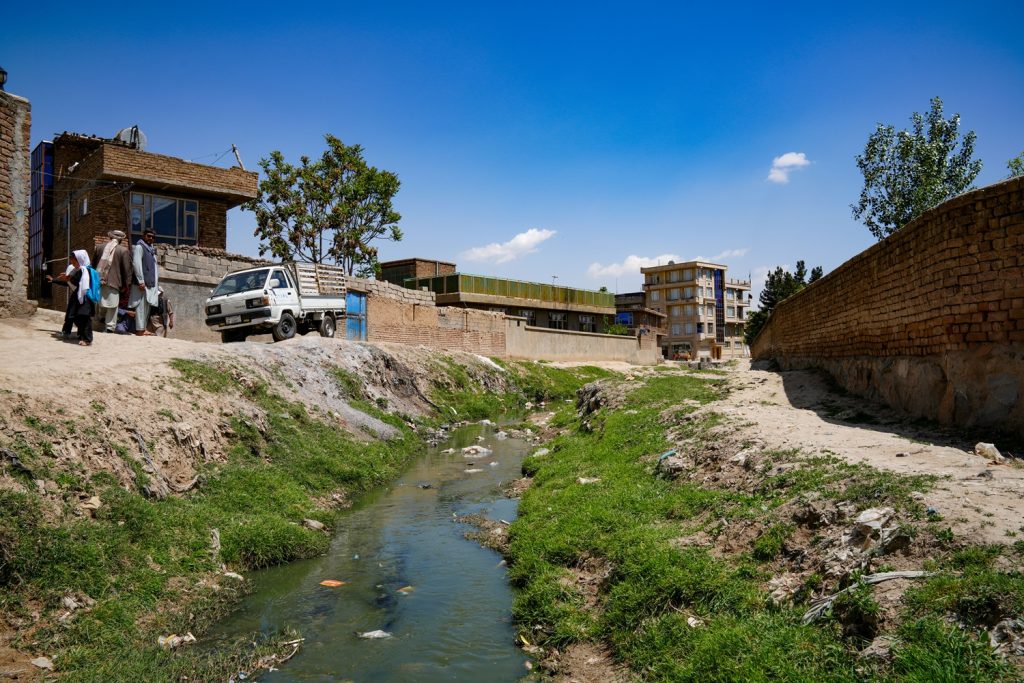
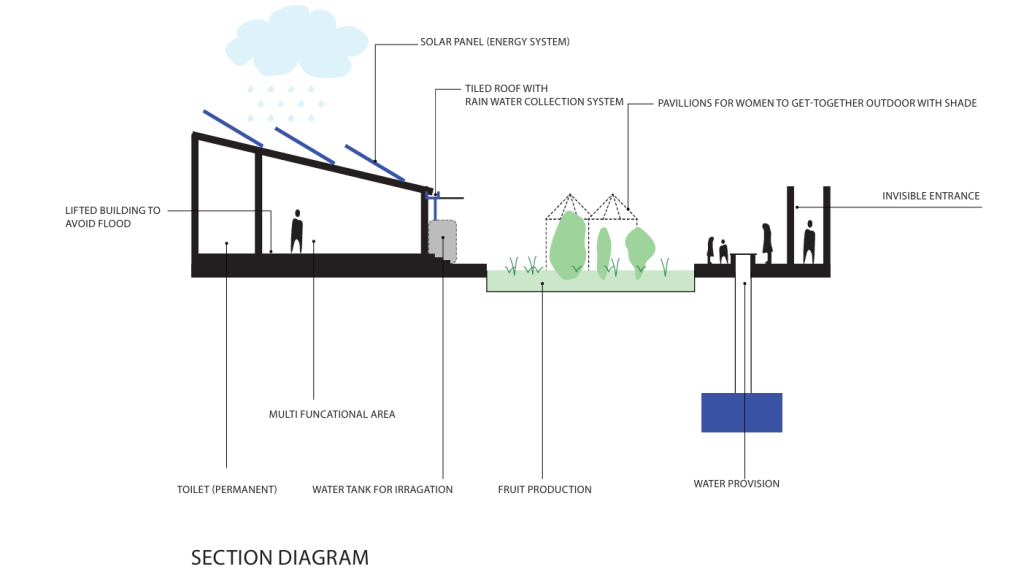
Working in multidisciplinary teams, participants analyzed Dasht-e-Barchi area in PD13, Kabul as the case study area and developed proposals and suggested changes with an integrated approach that combined climate adaptation, disaster risk reduction, and nature-based solutions. The proposals produced by participants aimed to address role of women in public spaces after a detailed interaction with women from the community and understanding their needs and constraints. The architectural proposals also demonstrated that well designed community infrastructures can strengthen the relationship between people, essential services and natural systems while responding to both immediate recovery needs and long-term urban development objectives.
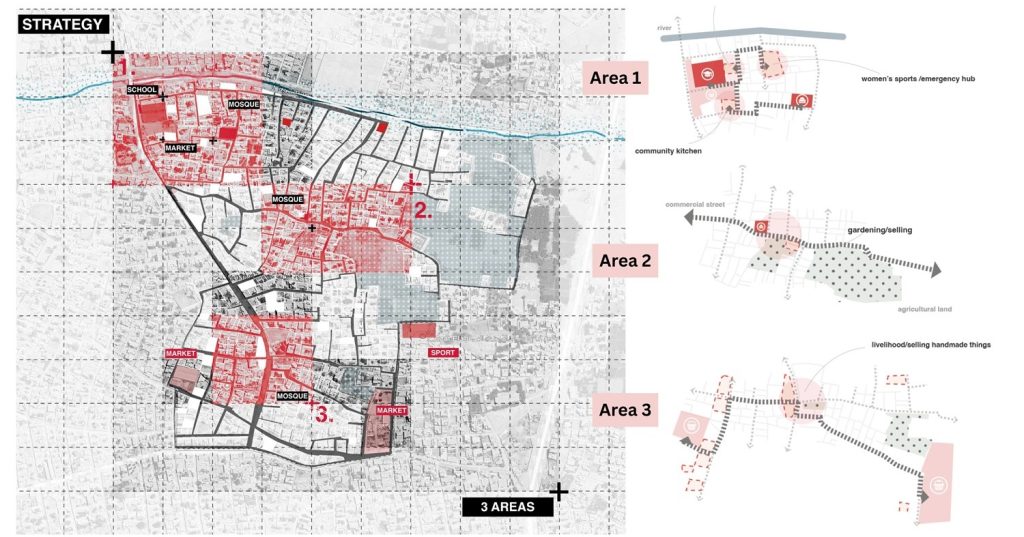
The Summer School concluded with presentations of final proposals, technical discussions and expert feedback on how regenerative neighbourhood principles can be translated into integrated, placemaking strategies. The Summer School also demonstrated the value of partnerships between international organizations and academic institutions in advancing knowledge exchange, strengthening professional capacity, and supporting more resilient and sustainable urban development.
UN-Habitat Afghanistan is committed to building upon this partnership and continuing its collaboration with the Lisbon School of Architecture (FA.ULisboa) to strengthen urban recovery programming in Afghanistan and ensure that its initiatives continue to improve the quality of life of individuals and communities across the country.