
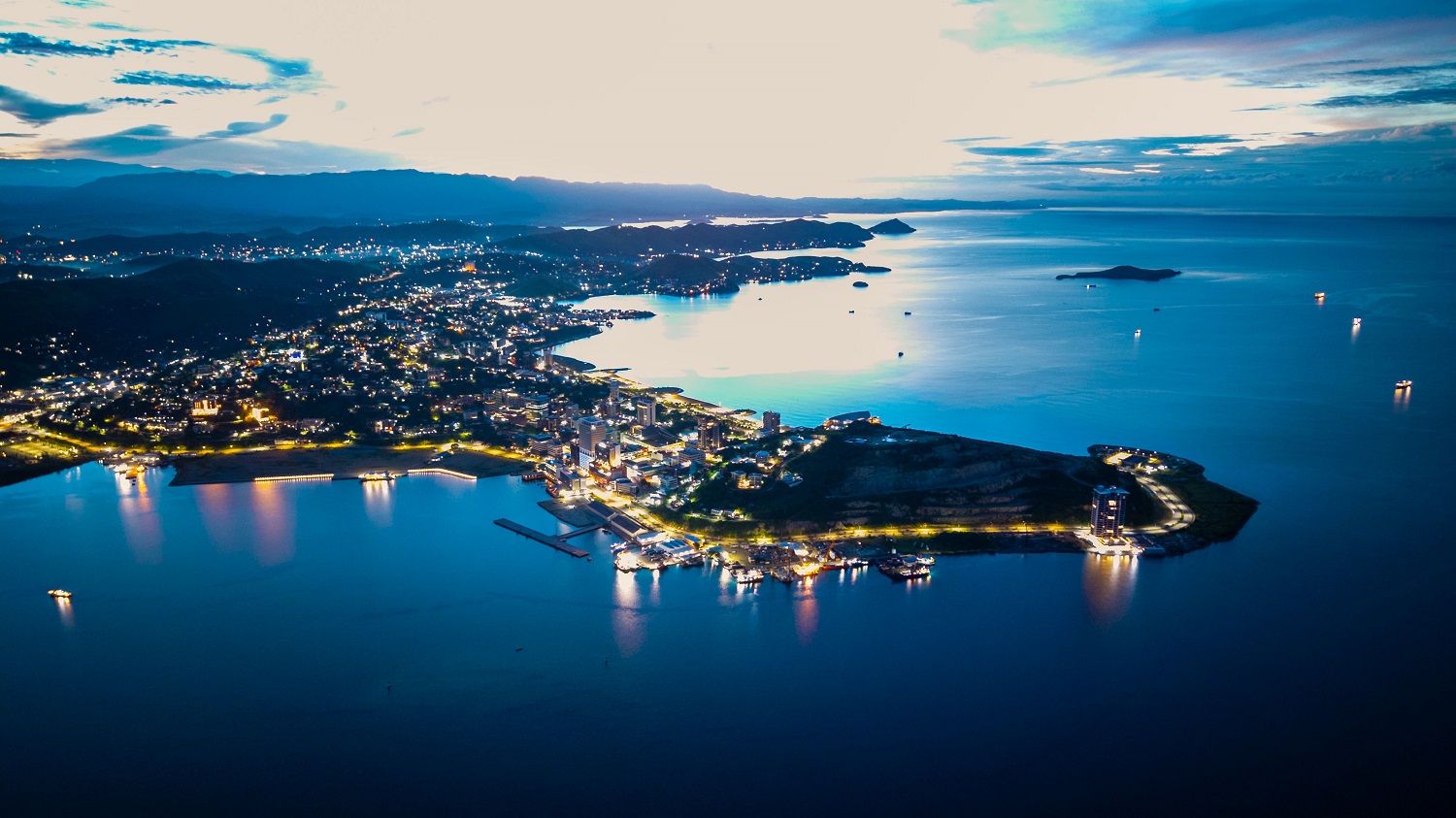
A Growing Momentum for the Pacific Urban Agenda
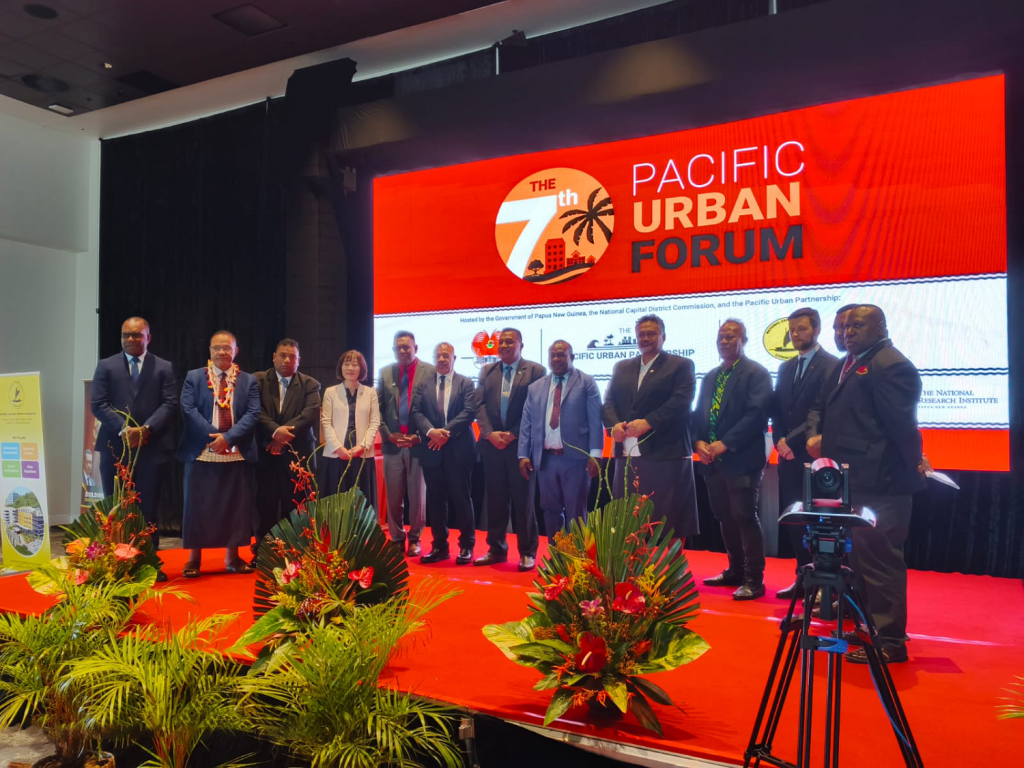
The Seventh Pacific Urban Forum (PUF7), held in Port Moresby, Papua New Guinea in March 2026, marked an important milestone in the Pacific’s urban development journey. Building on the Suva Statement for a Sustainable Urban Pacific adopted at the Sixth Pacific Urban Forum in 2023, PUF7 convened 422 registered delegates (including online participation) from 20 countries/territories and 38 cities, including eight Pacific Ministers, alongside national and local governments, regional agencies, development partners, civil society, academia, and the private sector from across the region to advance a shared vision for sustainable, inclusive and climate-resilient urban development.
The Forum was also informed by findings from the 2025 State of Urbanization in the Blue Pacific Report, which highlights the rapid and distinctive nature of urbanization across Pacific Island Countries and Territories. The report demonstrates how climate change, migration, economic pressures and infrastructure deficits are increasingly converging in Pacific cities and towns, while also emphasizing the critical role of urban areas as centres of resilience, service delivery, economic opportunity and adaptation.
Across three days of dialogue, participants highlighted a set of common priorities:
- strengthening urban resilience and climate action;
- addressing housing and informal settlement challenges;
- improving land governance and spatial planning;
- building local government capacity;
- expanding access to climate finance;
- and strengthening regional coordination mechanisms to elevate urban issues within Pacific decision-making processes.
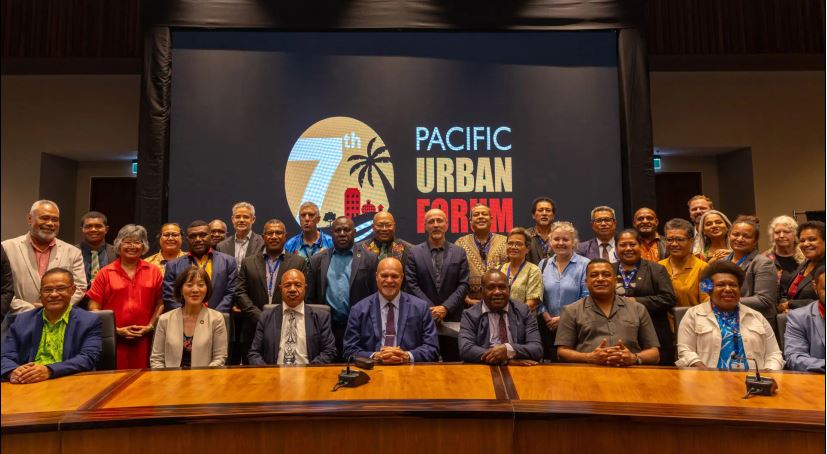

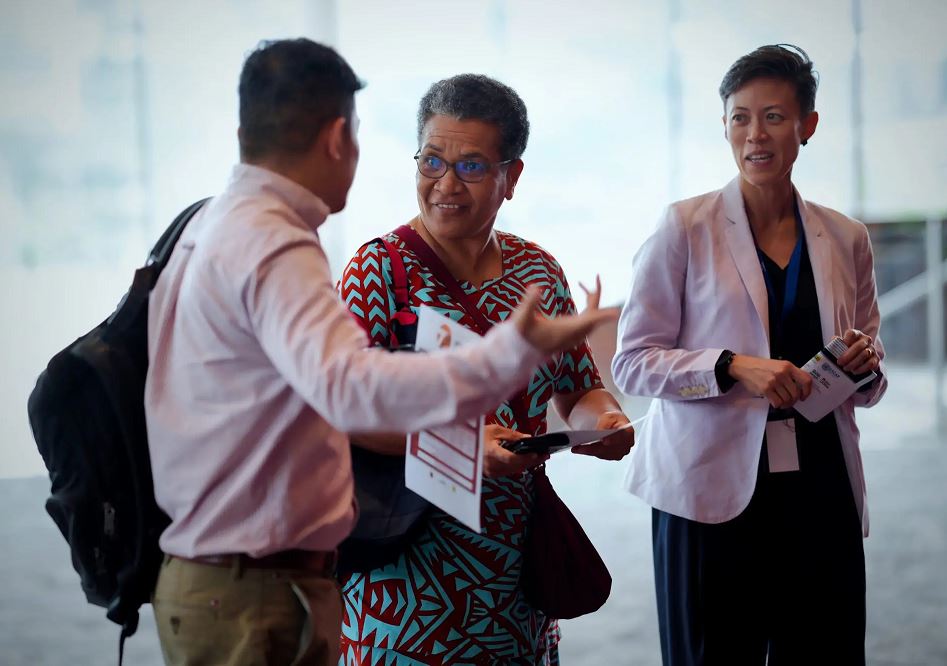
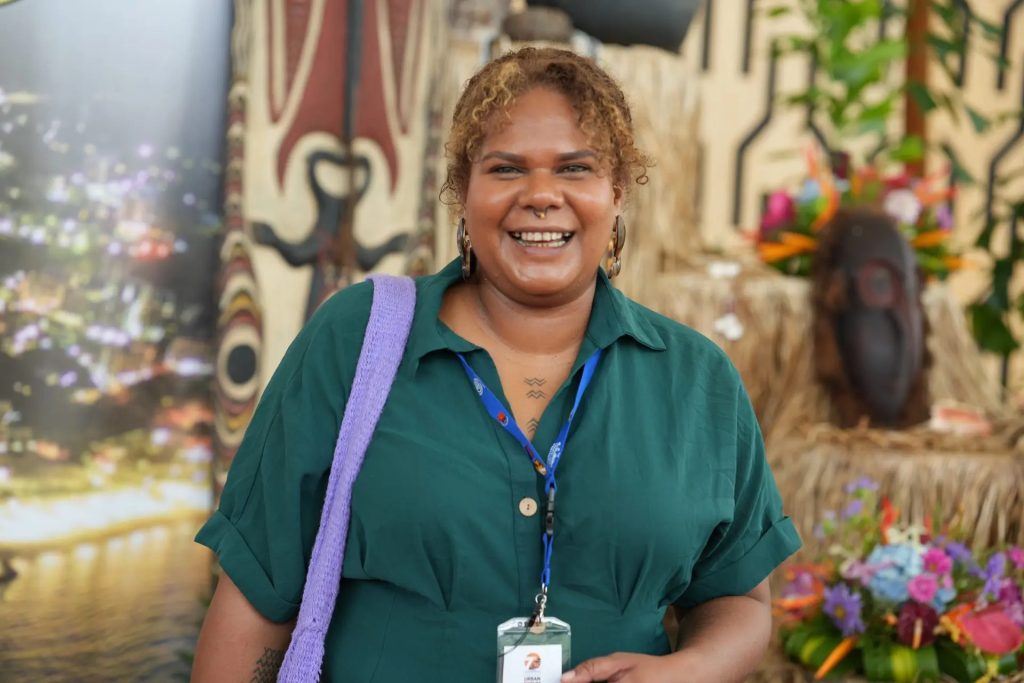
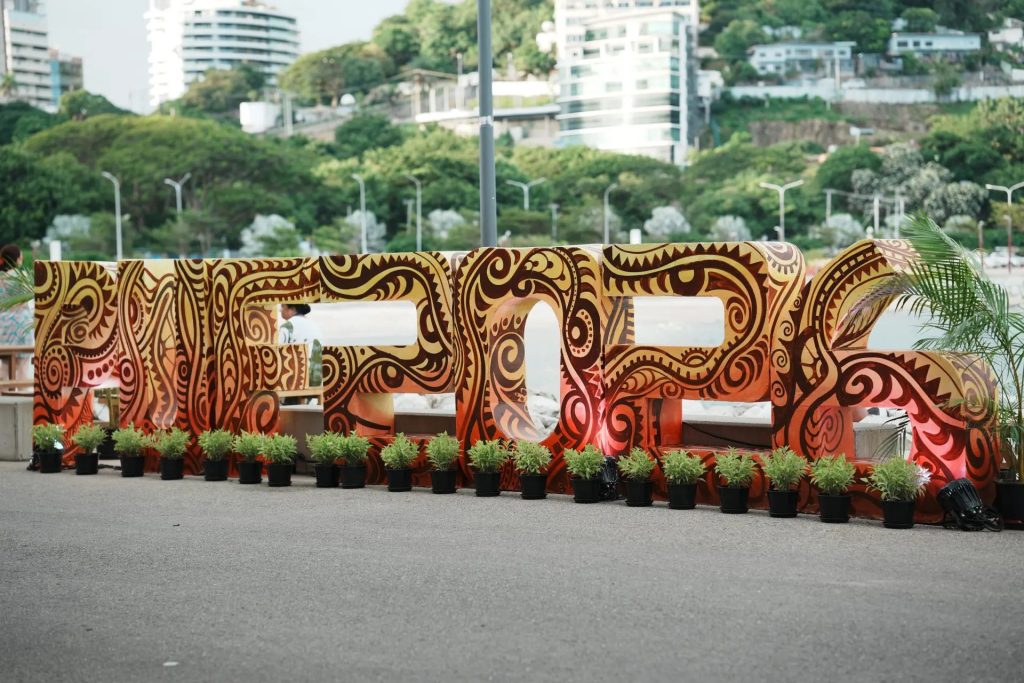
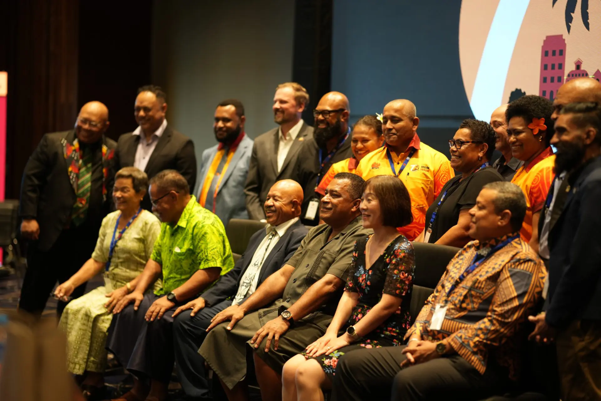
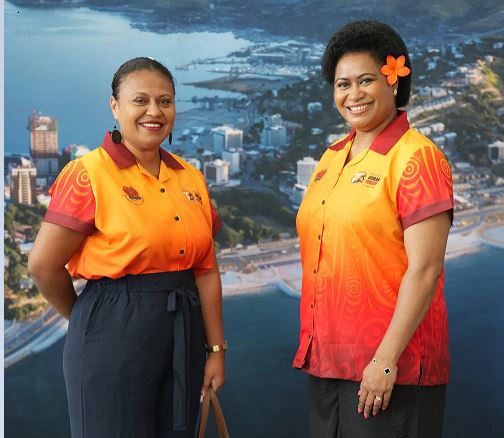
PUF7 Photos from the Forum (Credits: Caza Electrotek, PNG)
Many of these priorities build directly on the commitments and calls to action articulated in the Suva Statement, reaffirming the importance of strengthening urban governance, supporting vulnerable communities, advancing climate resilience, and elevating urban development within regional policy frameworks.
Just months later, these priorities resonated far beyond the Pacific region.
Pacific Voices on a Global Stage
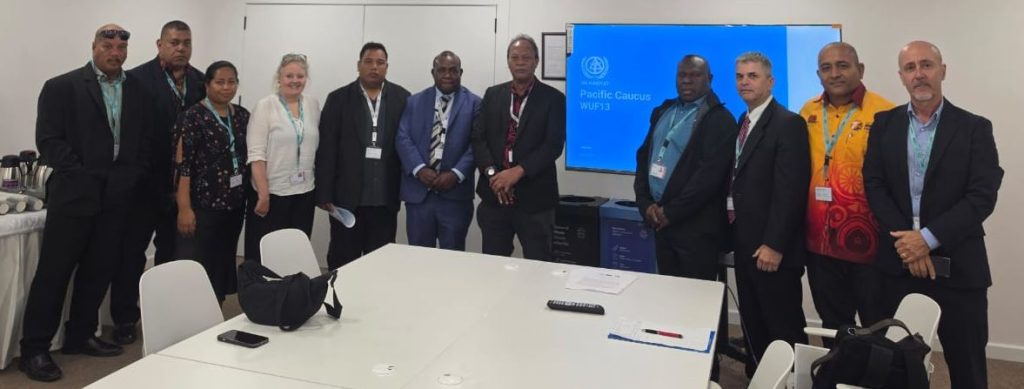
At the Thirteenth Session of the World Urban Forum (WUF13), between May 17 and 22, 2026, in Baku, Azerbaijan, Pacific representatives convened a dedicated Pacific Caucus to reflect on the outcomes of PUF7 and discuss how these priorities can be advanced within regional and global processes. Representatives from Papua New Guinea, Fiji, Kiribati and Tuvalu, together with partners from UN-Habitat, ESCAP and the Commonwealth Local Government Forum, reaffirmed a shared commitment to sustainable, resilient and climate-responsive urban development.
The discussions highlighted a reality well understood across the Pacific: urban resilience and climate resilience are inseparable. For Small Island Developing States (SIDS), housing, settlements and infrastructure are not simply development concerns, they are critical components of climate adaptation and disaster risk reduction. Participants stressed that SIDS continue to face disproportionate impacts from climate change despite contributing the least to global greenhouse gas emissions, underscoring the need for stronger international support and greater recognition of Pacific priorities.
The Pacific Caucus also reaffirmed the importance of strengthening urban governance, advancing resilience, and elevating urban priorities within regional frameworks, including the 2050 Strategy for the Blue Pacific Continent. Participants emphasized the need for increased investment in resilient infrastructure, stronger support for local governments, and greater representation of Pacific voices in global urban and climate discussions.
Why Housing Matters for Climate Resilience
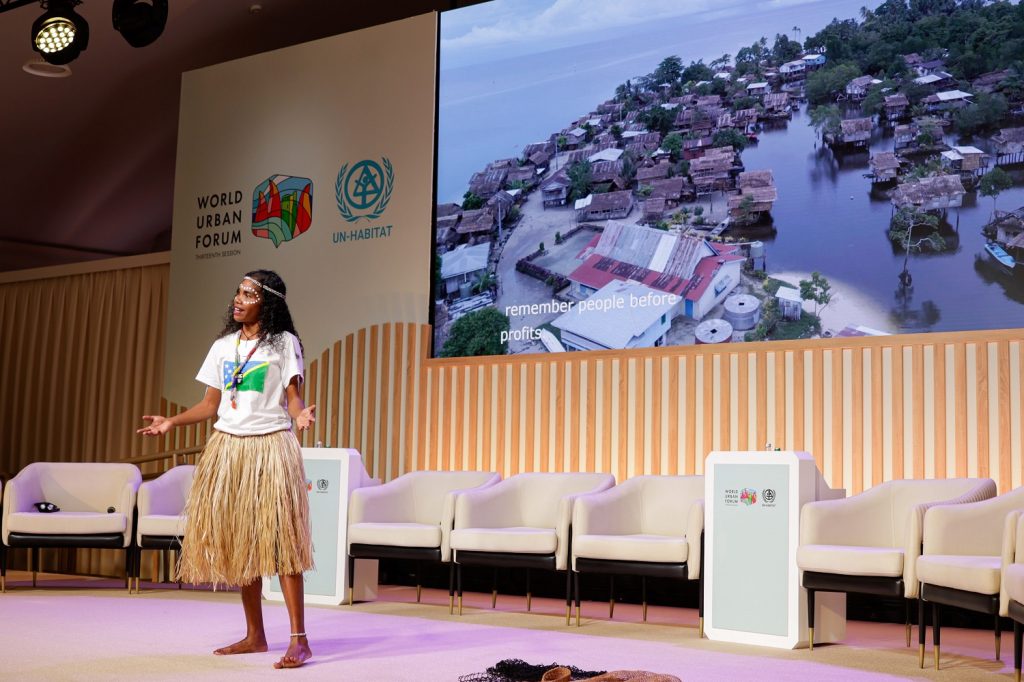
The Pacific’s priorities were also reflected in a dedicated WUF13 Special Session on Inclusive Urban Resilience, Blue Economy and Sustainable Tourism in Small Island Developing States (SIDS). Bringing together ministers, regional organizations, development banks and global experts, the session explored how SIDS can strengthen resilience through integrated approaches to housing, land governance, climate adaptation and economic development.
A central message emerging from the session was that housing should be recognized not simply as a social service, but as critical climate infrastructure. Participants highlighted how sea-level rise, coastal erosion and increasingly frequent climate-related disasters are threatening settlements across island nations, while current financing frameworks often fail to provide adequate support for resilient housing, land preparation and community adaptation measures. Calls were made for global climate finance mechanisms to better reflect the realities faced by SIDS and expand access to concessional financing for resilience-building investments.
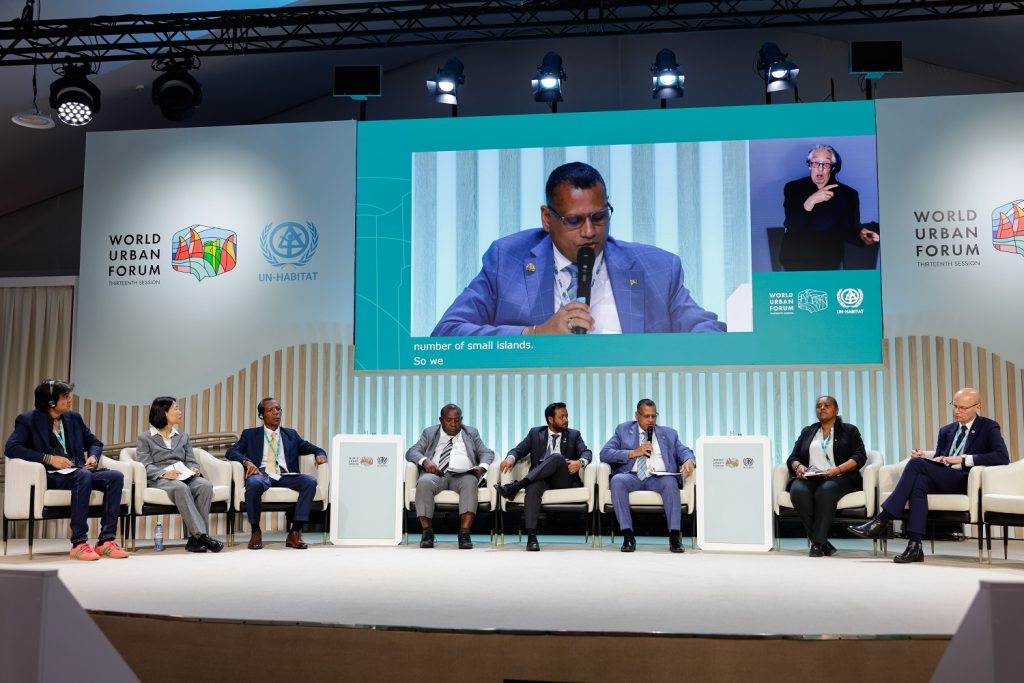
Building Resilient Cities and Communities in SIDS
The Special Session highlighted two additional priorities that strongly echoed the discussions at PUF7. First, participants emphasized the importance of integrated urban systems that connect housing, land governance, water security, infrastructure, tourism and the Blue Economy. Rather than addressing these challenges in isolation, SIDS require coordinated planning, financing and governance approaches that strengthen resilience while supporting sustainable livelihoods and economic diversification.
Second, participants underscored the importance of community-led, culturally grounded resilience. Across island nations, local knowledge systems, traditional governance arrangements and community leadership were recognized as strategic assets for addressing climate and development challenges. Speakers emphasized that resilience is most effective when communities shape decisions and when development approaches reflect local realities, cultural values and customary systems. This message resonated strongly with PUF7 discussions on customary land, local governance and community-driven development pathways across the Pacific.
Together, the WUF13 Pacific Caucus and the SIDS Special Session demonstrated that the priorities identified at PUF7 resonate well beyond the Pacific region. The need to recognize housing as climate infrastructure, adopt integrated approaches to urban resilience, and place communities at the centre of decision-making are increasingly recognized as essential components of sustainable development for Small Island Developing States worldwide.
Elevating Urban Priorities in the Blue Pacific
The discussions at PUF7 and WUF13 reflected both the political commitments articulated in the Suva Statement and the evidence presented in The State of Urbanization in the Blue Pacific Report (2025). Together, they point to a common conclusion: sustainable urbanization must be elevated as a regional development priority and more effectively integrated within the implementation of the 2050 Strategy for the Blue Pacific Continent.
A consistent message across both forums was the need for greater recognition of the role that cities, towns and local governments play in climate action, economic resilience, service delivery and community wellbeing. Strong support was expressed for regional mechanisms that can strengthen coordination, facilitate peer learning, and amplify Pacific voices in global urban and climate discussions.
The discussions reflected a growing understanding that sustainable urbanization is not a standalone sector, but a cross-cutting development priority that influences outcomes across climate adaptation, housing, economic development, food and water security, and social inclusion.
During the PUF7 Ministerial Caucus, ministers also highlighted the opportunity to strengthen the urban dimensions of Nationally Determined Contributions (NDCs) as a practical pathway for accelerating climate action, resilience and sustainable development. Participants highlighted strengthening the urban dimensions of NDCs as a practical opportunity to align climate action and sustainable development, recognizing that many climate investments are fundamentally urban in nature.
Looking Ahead
As the global community looks ahead to future climate and development milestones, the Pacific’s message is clear: sustainable urbanization must be recognized as a critical pathway to resilience.
The outcomes of PUF7 and the discussions at WUF13 have strengthened a shared regional vision and created new momentum for integrating urban priorities within regional and global agendas. That momentum will continue later this year, as Papua New Guinea advances the outcomes of PUF7 through the Pacific Islands Forum process and as preparations accelerate for COP31.
COP31 presents a unique opportunity for the Pacific. As Australia, in partnership with Pacific Island countries, prepares to set the agenda for Pre-COP in the Pacific and lead efforts to strengthen and elevate the global climate action agenda, there is growing recognition that urban development must form part of the climate solution. Discussions at both PUF7 and WUF13 underscored that urban resilience and climate resilience are inseparable, and that housing, infrastructure, land management and community-led adaptation should be recognized as core components of climate action.
Enhancing the urban content of NDCs presents a practical pathway for translating these priorities into national climate commitments while strengthening access to climate finance and accelerating implementation on the ground. This reflects the growing recognition among Pacific leaders that cities, towns and human settlements are critical arenas for climate action, adaptation and resilience-building.
The emerging COP31 agenda also offers an important opportunity to elevate issues that were central to both PUF7 and WUF13. Plans for a dedicated COP31 session focused on the climate finance needs of SIDS, including a platform for pledges to the Pacific Resilience Facility, align closely with calls from Pacific leaders for increased investment in resilience, infrastructure and locally led adaptation. The recognition of housing as climate infrastructure, the need for integrated urban resilience approaches, and the importance of community-led development all point to the critical role that cities, towns and human settlements must play in future climate finance and adaptation discussions.
By connecting the outcomes of the Suva Statement, The State of Urbanization in the Blue Pacific Report (2025), PUF7, WUF13 and the road to COP31, the Pacific is helping to shape a more integrated vision for resilience,one that recognizes sustainable urbanization as essential to achieving the goals of the 2050 Strategy for the Blue Pacific Continent and building a resilient, prosperous and sustainable future for all Pacific peoples.
Relevant Links
- PUF7 Joint Pacific Urban Partnership Statement
- PUF7 Summary Report
- PUF7 Declaration
- PUF7 Event Page & Photo Gallery
- PUF7 Weaving Stronger Pacific Cities Together (A blogpost by ESCAP)
- PUF7 Blogpost
- State of Urbanization in the Blue Pacific Report (2025)
- PUF6 Blogpost
- PUF6 Outcome Statement
- PUF6 Final Report