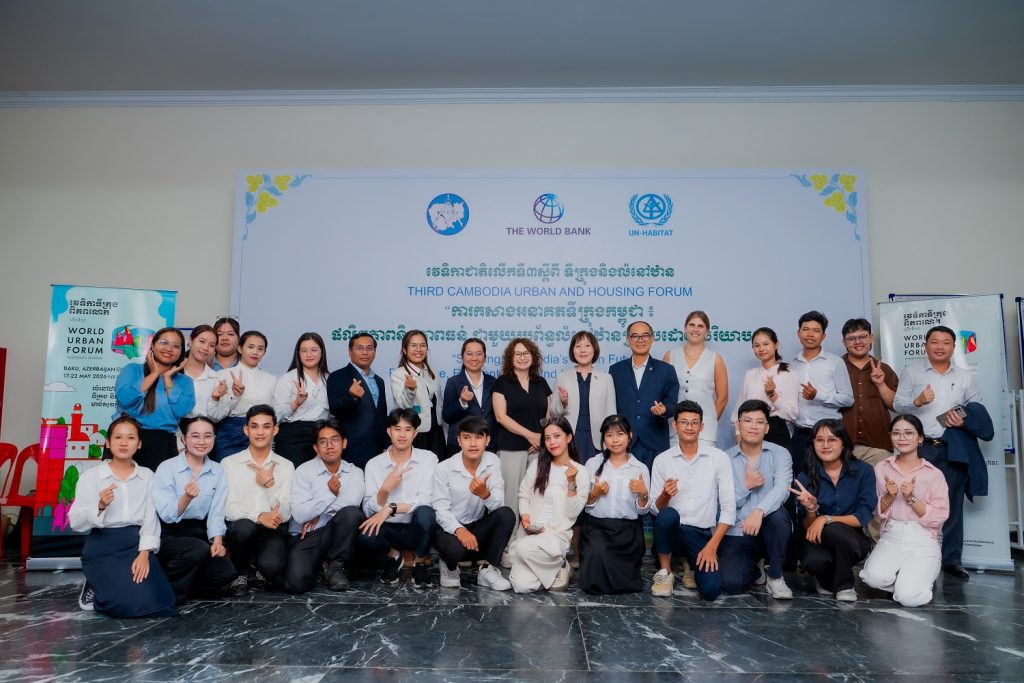
30 April 2026, Phnom Penh – The Third Cambodia Urban and Housing Forum was held on 29-30 April 2026, co-organized by the Ministry of Land Management, Urban Planning and Construction (MLMUPC), United Nations Human Settlements Programme (UN-Habitat) and the World Bank. The forum convened over 410 participants, including representatives from national and sub-national governments, development partners, the private sector, academia, and civil society.
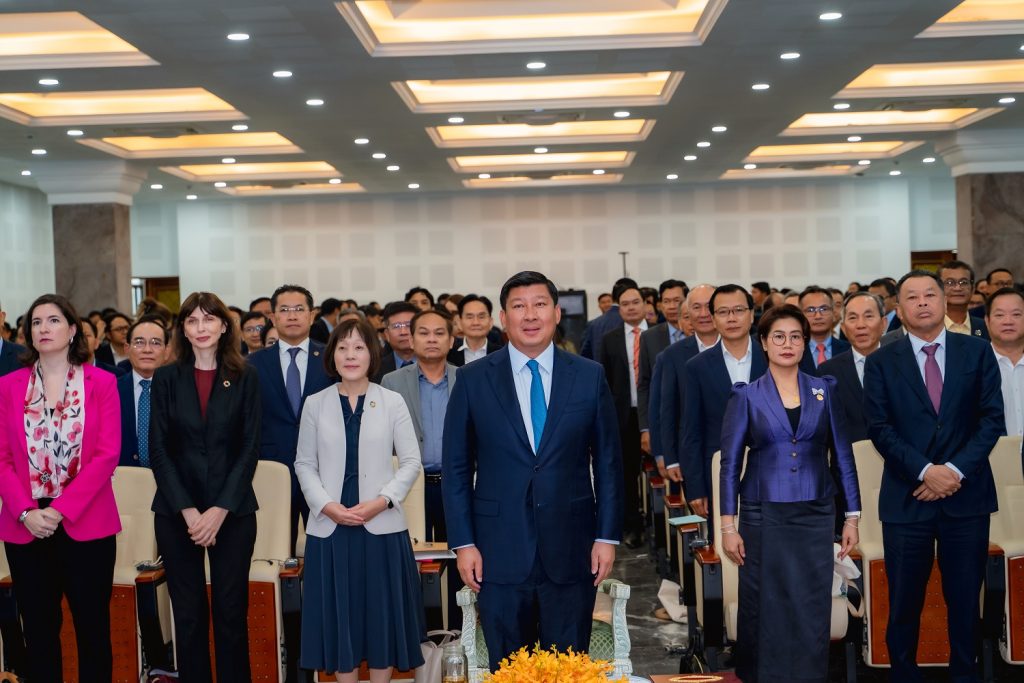
“Today’s forum is another opportunity for all ministries, institutions, sub-national administrations, the private sector, and relevant partner organizations to work together in building consensus and strengthening collaboration on urban planning and housing in Cambodia – towards creating more livable cities and ensuring sustainable development in the country for the future,” said H.E. Say Samal, Deputy Prime Minister, Minister of MLMUPC.
As Cambodia’s cities continue to grow, discussions highlighted both the opportunities and challenges associated with rapid urbanization. Cities are increasingly recognized as engines of economic growth and innovation, yet they also face mounting pressures related to housing affordability, infrastructure demand, environmental sustainability, and climate risks.
Ms. Kazuko Ishigaki, Regional Director of UN-Habitat for Asia and the Pacific, emphasized the importance of proactive and integrated planning. “Good cities do not happen by accident. They are built through vision, coordination, capable institutions, and sustained investment. Cities require the tools and resources to plan effectively, manage growth, anticipate and respond to risk, and deliver services and opportunities for all residents, especially those most at risk of being left behind,” she noted.
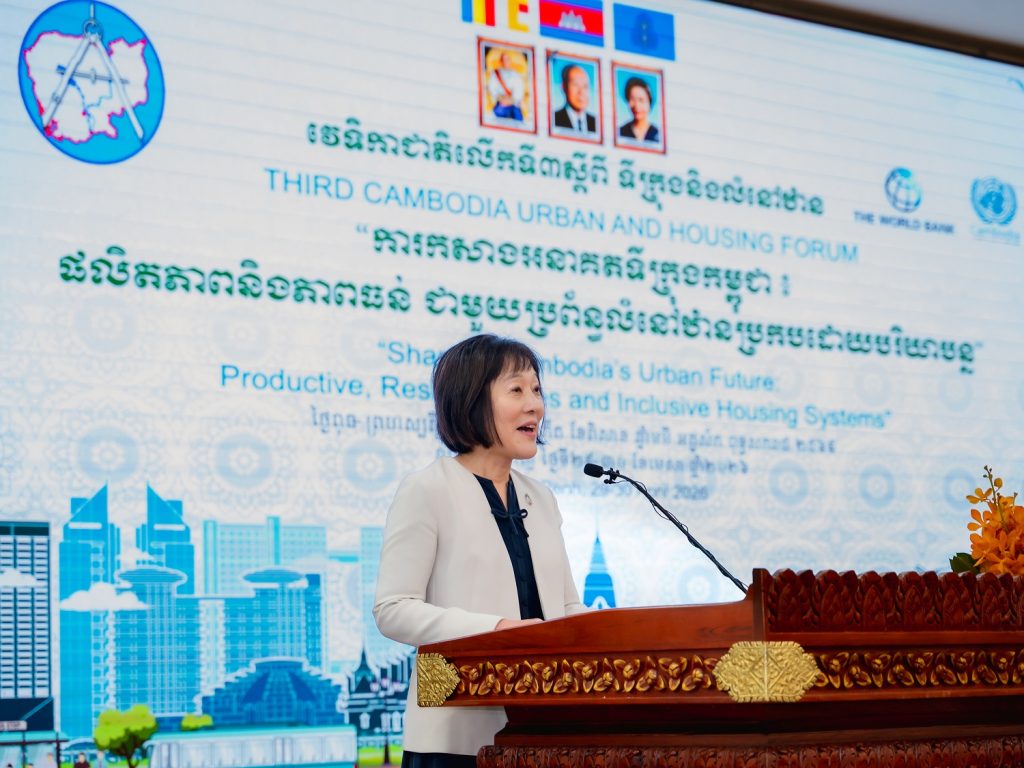
The forum encouraged active exchange among participants, fostering knowledge-sharing and dialogue on practical solutions to address Cambodia’s urban challenges. Key themes included integrated planning, housing, infrastructure development, climate resilience, and inclusive service delivery.
The importance of cities in Cambodia’s broader development trajectory was also underscored by Ms. Tania Meyer, World Bank Country Manager for Cambodia, who highlighted the role of urban areas in driving economic transformation. “As Cambodia continues its rapid urban transition, cities are playing a critical role in driving economic growth, creating jobs, and reducing poverty. Through analytical work and policy dialogue, partners are working together to help shape livable, inclusive, productive, and resilient cities – cities that can drive innovation and create better jobs for all,” she said.
The Third Cambodia Urban and Housing Forum concluded with a renewed commitment from stakeholders to translate dialogue into action – strengthening partnerships and advancing policies and investments that support sustainable, inclusive, and resilient urban futures for Cambodia.